How Telegram Trading Bots Change Execution
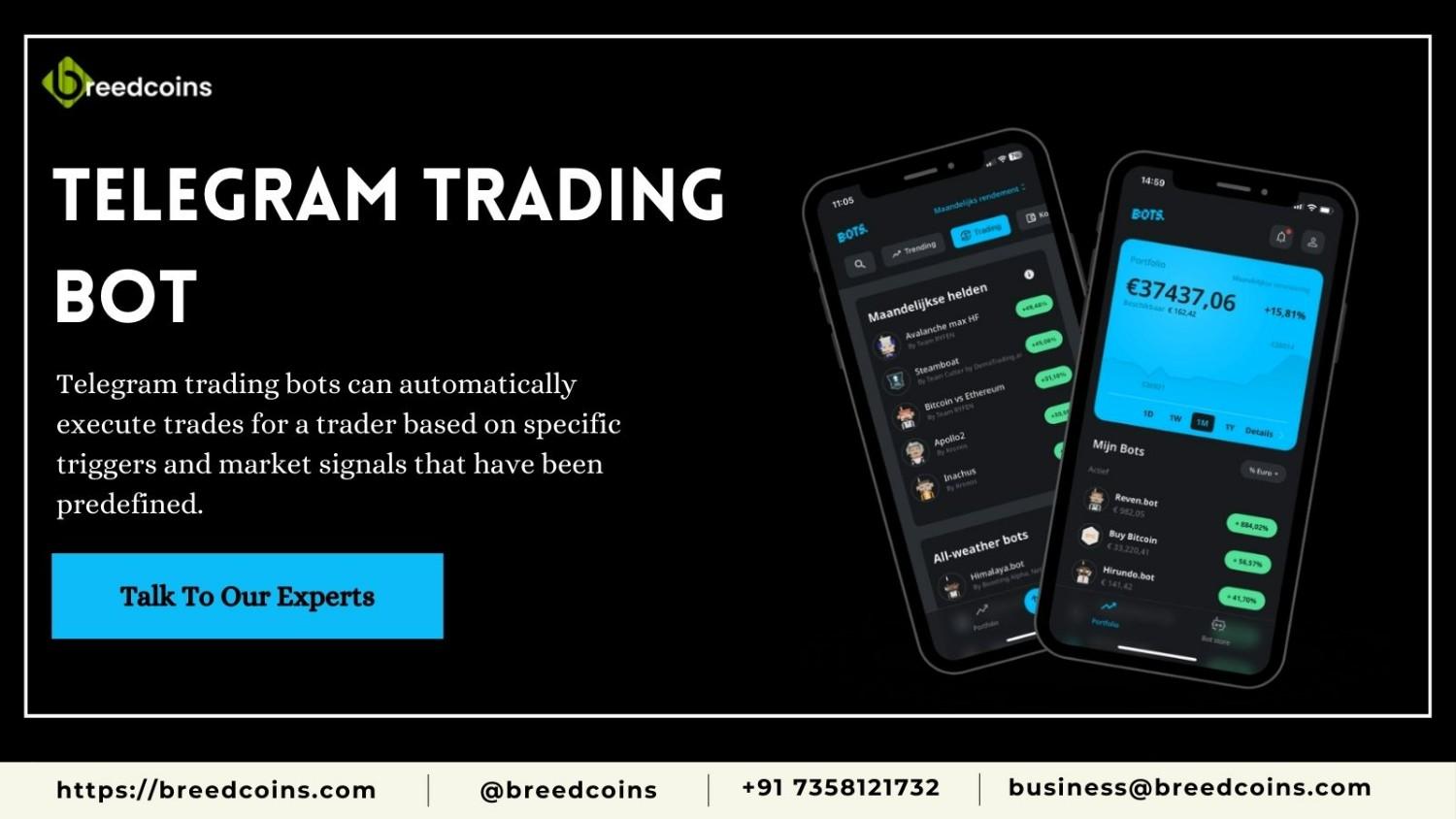
Telegram trading bots have shifted DeFi execution from manual clicking to automated precision. In high-stakes environments where milliseconds determine profitability, these bots provide the speed and automation necessary to compete. They handle complex tasks like liquidity sniping and copy trading, allowing traders to act on market signals faster than any human could manually.
The value lies in infrastructure. By connecting directly to blockchain nodes through Telegram’s interface, these bots bypass the latency of traditional exchange dashboards. This direct access is critical for strategies that rely on front-running or immediate reaction to price movements. The market moves fast, and bots ensure you are not left behind.
To understand the scale of this speed, consider the volatility of major assets. A bot does not need to watch the chart; it executes based on pre-set logic.
This chart of SOL/USDT illustrates the rapid price swings where manual intervention often fails. Telegram bots operate in this same high-velocity context, turning market noise into executable trades. They do not guess; they follow the code.
Infrastructure Behind the Bot Interface
A Telegram trading bot is only as reliable as the nodes feeding it data. When volatility spikes, the difference between a filled order and a failed transaction often comes down to your RPC (Remote Procedure Call) provider. Public nodes are shared resources; they throttle requests and lag behind the blockchain, causing slippage or missed entries. Premium, dedicated RPC endpoints provide the low-latency connection necessary for high-stakes DeFi execution, ensuring your bot receives the latest block data instantly.
Beyond data ingestion, the bot’s execution layer relies on private mempools. In public mempools, your transaction is visible to everyone, including MEV (Maximal Extractable Value) bots that can front-run your trade. By routing orders through private RPC endpoints or specialized relays, you keep your intent hidden until it is confirmed on-chain. This privacy layer is essential for protecting profit margins in competitive trading environments.
Finally, API keys serve as the bridge between your bot and the exchange or liquidity pool. These keys must be configured with precise permissions—granting only trading access, never withdrawal rights—to maintain security. Properly managed API keys, combined with robust node infrastructure, form the backbone of a functional Telegram trading bot.
Top telegram trading bots for 2026
Choosing the right Telegram trading bot depends on which chains you trade and how fast you need to execute. Volume data points to Trojan on Solana, BONKbot, Maestro, Banana Gun, and SolTradingBot as the market leaders. Each handles liquidity differently, so we compare them on fees, supported networks, and core capabilities.

Comparison of Leading Bots
The table below summarizes the primary differences between the most active bots. Fees vary by network and transaction size, so check the official documentation for current rates.
| Bot | Primary Chains | Fee Structure | Key Features |
|---|---|---|---|
| Trojan | Solana | 0.5% per trade | Sniping, Copy Trading, Limit Orders |
| Maestro | EVM, Solana | 0.5% - 1% per trade | Multi-chain, Copy Trading, DCA |
| Banana Gun | EVM (BSC, ETH) | 0.5% per trade | Anti-Rug, Sniping, Privacy Mode |
| BONKbot | Solana | 0.2% per trade | Fast Execution, Low Latency |
| SolTradingBot | Solana | 0.5% per trade | Simple UI, Basic Sniping |
Network-Specific Leaders
Solana traders often prefer Trojan or BONKbot for their speed. Trojan offers a more feature-rich environment with copy trading, while BONKbot focuses on raw execution speed with lower fees. For Ethereum and BSC, Banana Gun remains the standard for anti-rug protection and sniping capabilities. Maestro bridges both ecosystems, making it a versatile choice for traders who move between chains.
Reliability and Infrastructure
Reliability matters when the market moves fast. All listed bots operate on high-availability infrastructure, but outages can happen during peak volatility. Always keep a manual wallet ready as a backup. Official sources like QuickNode and CoinGecko track uptime and volume, providing real-time data on which bots are performing best.
Setting up and securing your bot
Configuring a Telegram trading bot is less about finding the right interface and more about hardening your infrastructure. A misconfigured API key or a connected main wallet is the fastest way to drain your portfolio. Treat this setup phase as a security audit rather than a quick installation.
Open Telegram and search for the official @BotFather. Use the /newbot command to generate a unique access token. This token is the password for your bot; treat it with the same caution as a private key. Once created, save the token in a secure environment variable on your local machine or server.

Never connect your primary treasury or long-term holdings to a trading bot. Create a dedicated "burner" wallet specifically for high-frequency DeFi execution. This isolation ensures that if the bot encounters a bug or is compromised, your core assets remain untouched. Fund this wallet only with the capital you are prepared to risk.

Generate API keys from your chosen exchange (e.g., Binance, Bybit) with strict permissions. Enable Spot/Margin Trading but disable Withdrawals and Transfers. This configuration allows the bot to execute trades without giving it the ability to move funds out of your account. Store these keys in the bot's secure configuration file, not in plain text chats.
Before going live, execute small, test trades to verify connectivity. Send a small amount of capital to your isolated wallet and have the bot execute a single buy and sell order. Monitor the transaction on a block explorer to ensure fees are deducted correctly and the execution price matches your intent. Only proceed to live mode once these tests confirm stable performance.
Once your bot is live, keep an eye on market conditions. Volatility can impact execution slippage, so understanding the current price action helps you adjust your bot's parameters.
Market analysis and risk management
Telegram Trading Bots works best as a clear sequence: define the constraint, compare the realistic options, test the tradeoff, and choose the path with the fewest hidden costs. That order keeps the advice usable instead of decorative. After each step, pause long enough to check whether the recommendation still fits the reader's actual situation. If it depends on perfect timing, unusual access, or a best-case budget, include a simpler fallback.
The simplest way to use this section is to write down the real constraint first, compare each option against it, and choose the path that still works outside ideal conditions.
Frequently Asked Questions About Telegram Trading Bots
Do Telegram trading bots work? Yes, they execute trades automatically within the Telegram interface. By connecting to decentralized exchanges (DEXs), these bots handle liquidity sniping, copy trading, and airdrop farming faster than manual entry. They are tools for execution, not magic money printers.
Which Telegram bot is best for trading? Selection depends on your target chain. Trojan and BONKbot are leading choices for Solana due to low fees and high speed. Maestro and Banana Gun are widely used for Ethereum and multi-chain support. The "best" bot is the one that supports your specific network and risk tolerance.
Do Telegram bots really pay? Bots themselves do not pay users. They are software utilities that charge a small fee per transaction or via subscription. You profit from successful trades you execute through the bot. If you lose money on a trade, the bot still charges the fee.
What are the top 5 bots in Telegram? Based on trading volume and community adoption, the top contenders are Trojan, BONKbot, Maestro, Banana Gun, and SolTradingBot. These platforms consistently rank highest for reliability and feature depth in current market conditions.
Helpful gear
Use these product recommendations as a starting point, then choose the size, material, and price point that fit how you actually use the gear.

As an Amazon Associate, we may earn from qualifying purchases.
No comments yet. Be the first to share your thoughts!