Get Telegram Trading Bots Infrastructure Right
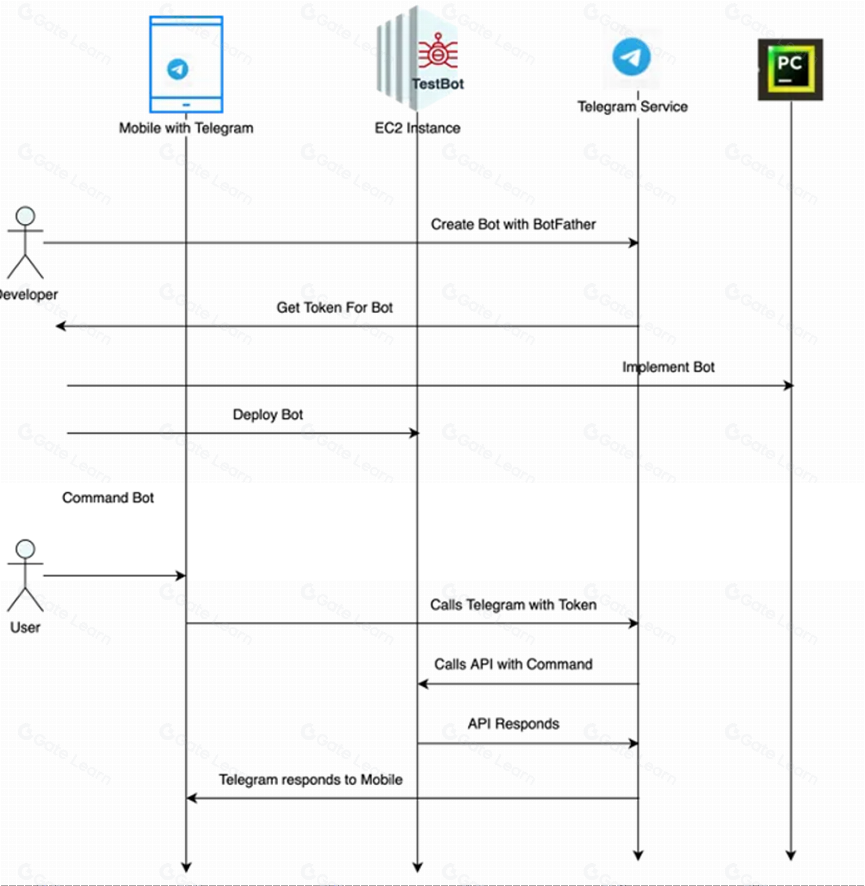
Before deploying capital, you must secure the execution pipeline. Telegram trading bots are automated applications that bridge your wallet to decentralized exchanges via the Telegram API. This convenience creates a high-risk attack surface if the infrastructure is not hardened. A single misconfigured permission or exposed key can lead to total loss.
Focus on three prerequisites:
- Wallet Segregation: Never connect your primary treasury to a bot. Use a dedicated hot wallet with only the necessary liquidity for trading. This limits exposure if the bot’s API keys are compromised.
- API Key Permissions: Generate keys with "read-only" or "trade-only" permissions. Disable withdrawal permissions entirely. If a bot needs to sign transactions, ensure it uses a local node or a trusted RPC endpoint to prevent man-in-the-middle attacks.
- Rate Limiting & Latency: Choose a bot provider that offers low-latency execution. In DeFi, slippage and front-running are the primary threats. Verify that the bot connects directly to a private RPC node rather than a public one to ensure transaction priority.
These checks form the baseline for any serious trading operation. Skipping them turns your bot into an easy target for exploiters.
Work through the steps
Telegram Trading Bots Infrastructure works best as a clear sequence: define the constraint, compare the realistic options, test the tradeoff, and choose the path with the fewest hidden costs. That order keeps the advice usable instead of decorative. After each step, pause long enough to check whether the recommendation still fits the reader's actual situation. If it depends on perfect timing, unusual access, or a best-case budget, include a simpler fallback.

Common mistakes in Telegram bot execution
Even with reliable infrastructure, poor configuration turns automation into a liability. Most losses in Telegram trading bots stem from avoidable setup errors rather than market volatility. The following mistakes degrade execution speed, expose capital to unnecessary risk, or cause complete failure during high-volume periods.
Ignoring slippage tolerance
Slippage defines the maximum price difference between the quoted rate and the executed trade. Setting this too wide invites bad fills; setting it too narrow causes missed trades. Many users leave default values (often 1-2%) which are insufficient for low-cap tokens or volatile pairs. For high-frequency strategies, a tolerance of 0.1-0.5% is standard. Always adjust this based on the specific token’s liquidity depth, not a generic default.
Overlooking API rate limits
Telegram bots interact with exchange APIs, which enforce strict request limits. Exceeding these limits results in temporary bans or throttled responses, causing orders to hang or fail silently. This is particularly common when backtesting or running multiple instances simultaneously. Monitor your API usage metrics closely. If you hit limits, implement exponential backoff in your code or reduce the frequency of polling requests.
Skipping risk checks before launch
Running a bot with unchecked parameters is akin to driving without brakes. Common oversights include missing stop-loss definitions, incorrect wallet permissions, or using testnet credentials in production. Always run a dry test with minimal capital first. Verify that the bot correctly interprets your buy/sell signals and that the wallet address has the necessary token approvals. A single misconfigured parameter can drain an entire position in seconds during a flash crash.
No comments yet. Be the first to share your thoughts!