How Telegram bots fit DeFi infrastructure
Telegram trading bots are command interfaces layered on existing decentralized exchanges, not standalone financial institutions. They act as remote controls for your wallet, translating user commands into smart contract interactions that your wallet signs and broadcasts. The bot does not hold your assets; it merely facilitates the transaction.
This architecture offers speed advantages in high-frequency environments. Bots monitor on-chain activity and submit transactions in milliseconds, bypassing the latency of manual web interface clicks. However, this convenience is strictly bounded by the permissions you grant. A bot cannot access funds unless you provide private keys or API tokens, a practice that introduces significant security risks if managed poorly.
The primary value lies in automating repetitive tasks like stop-loss orders, take-profit limits, and copy trading. This allows traders to react to volatility without constant monitoring. Yet, this automation is deterministic logic, not magic. Understanding this distinction is critical for high-stakes trading.
Before integrating any bot, audit your permissions using this checklist:
-
Verify the bot does not request your private key or seed phrase
-
Check if the bot uses a read-only API key for monitoring
-
Confirm the bot’s smart contract address is verified
-
Test with a minimal amount of capital first
Top Telegram trading bots for 2026
The landscape of automated crypto trading on Telegram has stabilized around a few reliable platforms. We prioritize lifetime trading volume and community trust over marketing claims. Based on current market data, the top performers are Trojan, BONKbot, Maestro, Banana Gun, and SolTradingBot.
These bots function as intermediaries, executing trades faster than manual clicking. They do not hold your funds; they interact with your wallet via private keys you provide. Always verify the bot's official channel before interacting, as phishing accounts are common.
Trojan
Trojan (formerly Unibot on Solana) remains a staple for traders seeking speed and reliability on the Solana network. It supports a wide range of tokens and offers features like limit orders and trailing stops. Its interface is straightforward, accessible for beginners while offering advanced tools for experienced traders.
BONKbot
BONKbot has gained traction due to its low latency and high success rate in high-volatility environments. It is particularly popular for trading meme coins and new token launches. The bot's ability to quickly snipe new listings makes it a favorite among active traders, though users should exercise caution with the higher risk associated with these assets.
Maestro
Maestro is a multi-chain bot supporting Ethereum, BNB Chain, and Solana. It stands out for its robust copy-trading features, allowing users to mirror the trades of successful wallets. This feature is useful for those who want to leverage the strategies of experienced traders without performing the analysis themselves.
Banana Gun
Banana Gun is primarily focused on Ethereum and offers advanced features like MEV protection and anti-rug mechanisms. It is designed for traders who need to navigate complex DeFi environments safely. The bot's focus on security makes it a strong choice for high-value transactions where slippage or sandwich attacks are a concern.
SolTradingBot
SolTradingBot is a dedicated Solana trading bot known for its simplicity and speed. It offers basic trading features like limit orders and DCA (Dollar-Cost Averaging) strategies. While it may lack some of the advanced features of Maestro or Banana Gun, its ease of use and reliability on Solana make it a solid option for casual traders.
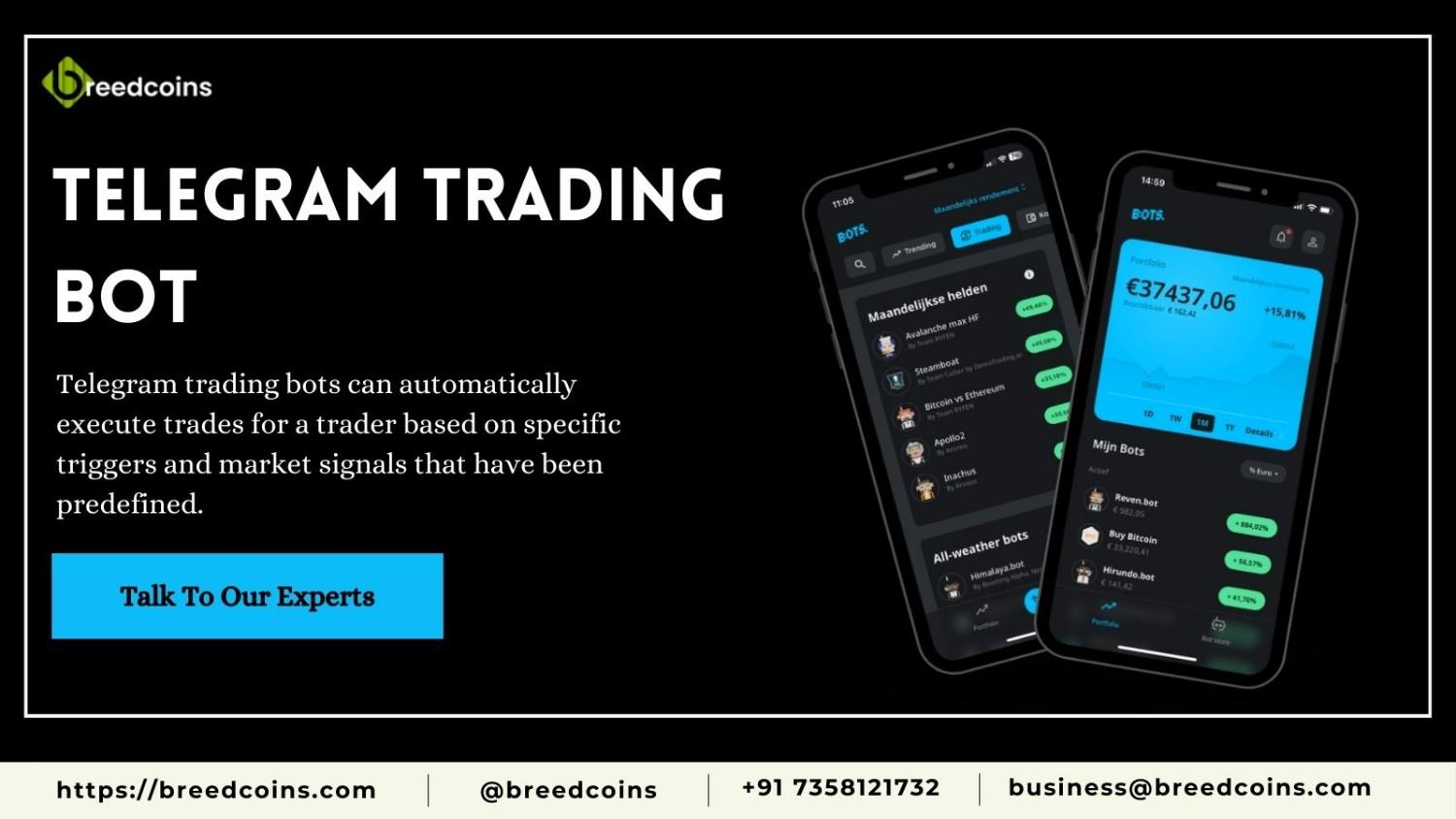
Comparison of Key Features
The table below summarizes the core capabilities of these top bots. Use this to determine which tool aligns with your specific trading strategy and preferred blockchain.
| Bot | Chains | Copy Trading | MEV Protection |
|---|---|---|---|
| Trojan | Solana | No | No |
| BONKbot | Solana | No | No |
| Maestro | ETH, BSC, Solana | Yes | No |
| Banana Gun | ETH | No | Yes |
| SolTradingBot | Solana | No | No |
Essential Trading Accessories
Hardware security is equally important to software security. Using a hardware wallet to manage the private keys used by these bots adds a layer of protection against online threats.
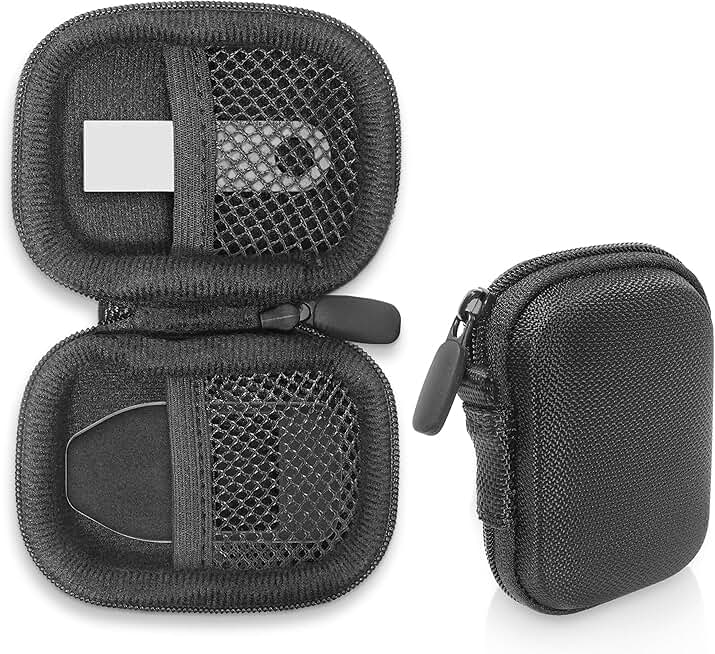

As an Amazon Associate, we may earn from qualifying purchases.
Note: Amazon product links are for reference only. Ensure you purchase directly from official retailers to avoid counterfeit devices.
Security risks and wallet management
Telegram trading bots operate in a high-stakes environment where convenience often conflicts with security. The fundamental rule is simple: a bot can only send messages. It cannot access your trading account, withdraw money, or move your funds unless you explicitly give it that power. That power only exists if you share your private keys or grant excessive wallet permissions, which you should never do.
Most reputable bots do not require your private keys. Instead, they ask for a "trading key" or API key with specific permissions. This is a critical distinction. If a bot asks for your seed phrase or private key to "connect" your wallet, it is a scam. Legitimate tools use restricted API keys that allow trading but block withdrawals.
Even with restricted keys, the risk of smart contract approvals remains high. When you connect your wallet to a new bot, you are often signing a transaction that grants the bot's smart contract permission to spend your tokens. Without limits, this approval can be infinite, allowing the contract to drain your entire balance if the bot is compromised or malicious.
To mitigate these risks, always start with small amounts. Triple-check every approval request before signing. Never leave large funds in a wallet connected to a bot. Use burner wallets for trading activities, keeping your primary assets in a cold storage solution that never interacts with Telegram.
The cost of a mistake here is total loss. Treat every bot connection as a potential vulnerability. Verify the source of the bot, check its community feedback, and assume that any connected wallet could be drained. Security is not a feature; it is the foundation of your trading strategy.
Building your own bot infrastructure
Most traders use off-the-shelf bots, but building a custom Telegram trading bot offers full control over execution logic and security. The architecture is straightforward: your bot acts as a bridge between the Telegram interface and the blockchain network. It listens for commands, validates them, and pushes transactions through a reliable node provider.
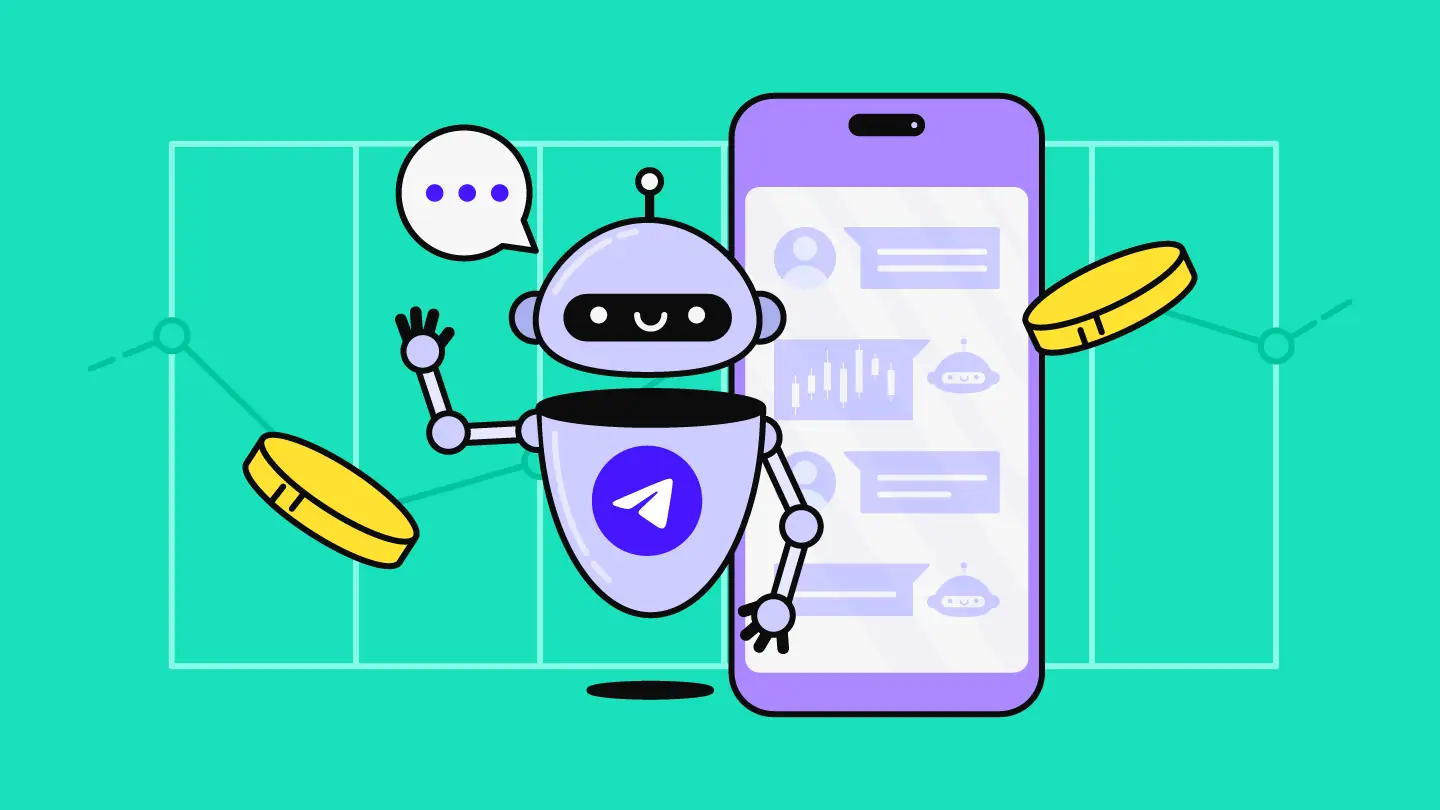

buy SOL 10
, your code parses the input, checks the user’s balance, signs the transaction with their private key (stored securely), and sends it to the node. Use a library like
web3.js
or
ethers.js
to handle the transaction signing and formatting.
Building a custom bot requires careful attention to security. Never store private keys in plain text. Use environment variables or a secure key management service. The more control you have, the more responsibility you bear for your users' funds.
Common questions about Telegram bots
Telegram trading bots are software tools that connect to decentralized exchanges via your wallet keys, allowing you to execute trades directly from the chat interface. They are widely used for their speed and low transaction fees, particularly in high-volatility environments like Solana or Ethereum memecoins.
However, the mechanism is often misunderstood. A Telegram bot cannot access your funds unless you explicitly grant it permission through a smart contract approval or by sharing your private key. If you never share your private keys or grant unlimited spending approvals, the bot itself cannot withdraw your money. The risk lies in the permissions you grant and the security of the bot developer.
Do Telegram trading bots actually work?
Yes, they work as intended for executing trades faster than a standard web interface. Because they bypass the need to navigate complex DEX dashboards, they are effective for catching quick price movements. However, "working" does not mean "profitable." You are still subject to market volatility, slippage, and potential smart contract exploits. Speed is an advantage, but it does not guarantee success.
Are Telegram trading bots safe to use?
Safety depends entirely on your security hygiene. The primary risk is not the bot stealing funds directly, but rather you accidentally approving a malicious contract that drains your wallet. Always:
- Start with small amounts to test the bot.
- Triple-check every transaction approval.
- Revoke unnecessary token approvals regularly.
- Never share your seed phrase or private key.
Can I lose all my money using a bot?
Yes. While the bot itself is just an interface, it executes trades on your behalf. If you set high slippage tolerance or interact with a rug-pull token, you can lose your entire investment. Additionally, if you grant a bot unlimited spending approval for a token, and that bot's backend is compromised, an attacker could drain your wallet. Always use the minimum necessary approval limits.
Which Telegram bot is best for beginners?
For beginners, the best bots are those with transparent code, active community support, and built-in safety features like slippage protection. Popular options include Trojan, BonkBot, and Maestro. However, "best" is subjective and depends on your specific chain (Solana, Base, Ethereum). Always research the bot's reputation in official channels before depositing significant funds.
How do I revoke bot access to my wallet?
You can revoke access by visiting a wallet approval revoker tool like Revoke.cash or RabbitHole. Connect your wallet, find the token or NFT contract you approved for the bot, and click "Revoke." This removes the bot's ability to move those specific tokens from your wallet. Do this regularly, especially after testing a new bot.
No comments yet. Be the first to share your thoughts!