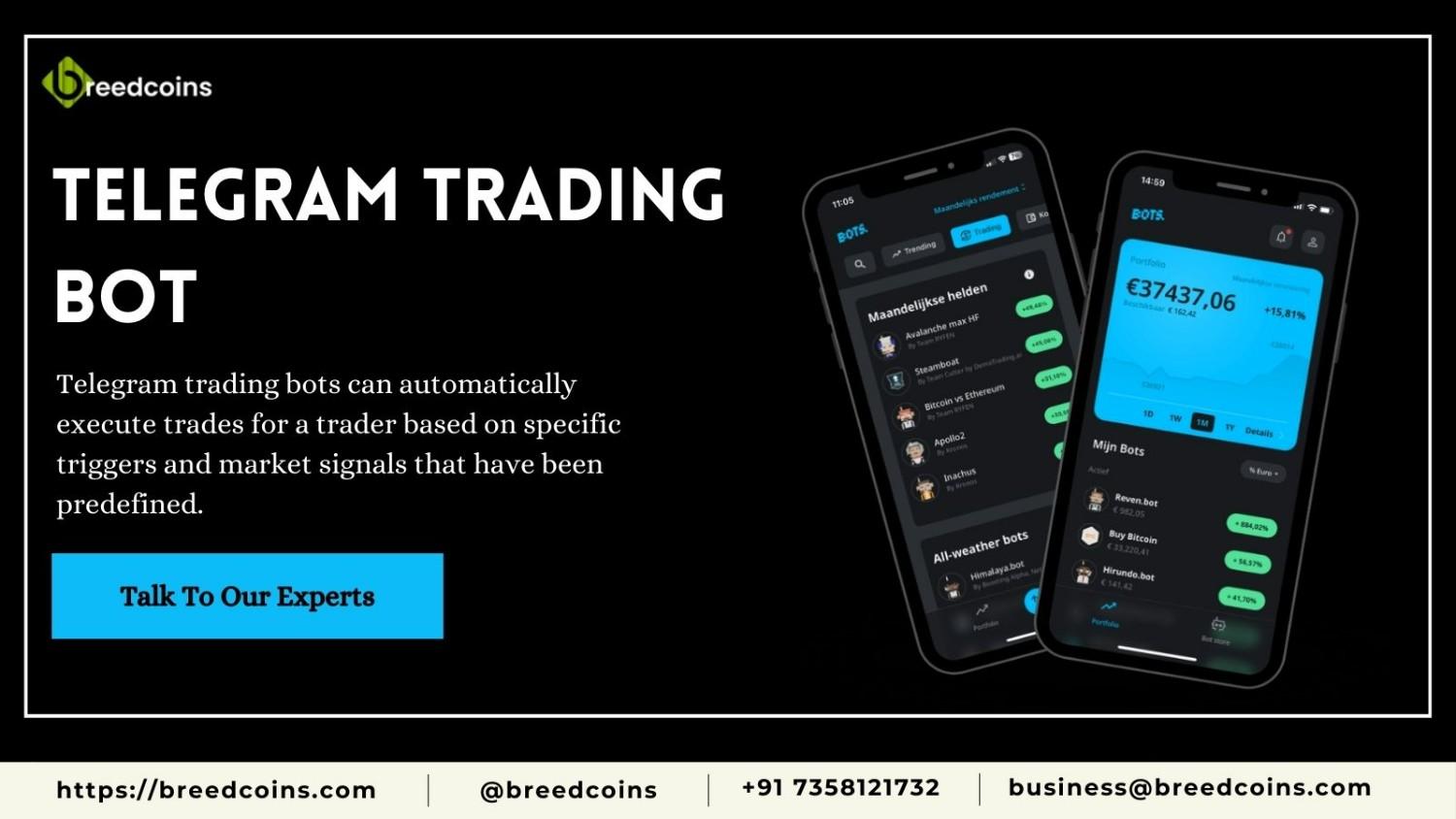
How telegram bots execute trades
Telegram trading bots operate as an execution layer rather than a traditional exchange interface. Instead of navigating complex web dashboards, users interact with a chat client that translates natural language commands into signed blockchain transactions. This infrastructure relies on three core components: an RPC node for network communication, a private key for transaction signing, and a smart contract interface for on-chain execution.
The process begins when a user sends a command, such as "buy 0.1 ETH," to the bot. The bot receives this message and validates the user's permissions. It then constructs a transaction payload targeting the appropriate decentralized exchange router or liquidity pool. Crucially, the private key never leaves the user's device in most secure implementations; instead, the bot often facilitates a signature request or uses a non-custodial wallet provider like Privy to manage the cryptographic handshake. This distinction separates legitimate trading bots from scams that simply ask for API keys or seed phrases.
Once signed, the transaction is broadcast to the blockchain via an RPC node. The speed of execution depends heavily on the node's latency and the user's gas price settings. Unlike centralized exchanges where order books match trades internally, Telegram bots submit direct on-chain transactions. This means they are subject to network congestion and potential front-running, making the choice of RPC provider critical for maintaining execution integrity.
Top Telegram trading tools for 2026
The Telegram trading bot market has consolidated around a few heavyweights that dominate daily volume. According to CoinGecko's lifetime volume analysis, the current leaders are Trojan, BONKbot, Maestro, Banana Gun, and SolTradingBot. These platforms are not just wrappers; they are infrastructure layers that handle the latency and slippage issues inherent in decentralized exchanges.
When selecting a bot, you need to look past the marketing hype and focus on chain support, fee structures, and anti-rug features. The table below breaks down the core capabilities of the top five contenders based on data from QuickNode and CoinGecko.
| Bot | Chains | Fee Model | Anti-Rug | Copy Trading |
|---|---|---|---|---|
| Trojan | Solana, Base, Ton | 0.5% - 1% | Yes | Yes |
| BONKbot | Solana | 0.1% - 0.5% | No | No |
| Maestro | Multi-chain | 0.5% - 1% | Yes | Yes |
| Banana Gun | EVM (BSC, ETH) | 1% - 2% | Yes | Yes |
| SolTradingBot | Solana | 0.5% - 1% | No | No |
Trojan and Maestro lead in multi-chain flexibility, making them suitable for traders who rotate between Solana, Base, and Ethereum Layer 2s. BONKbot, by contrast, is a Solana-native specialist. Its lower fee structure (starting at 0.1%) appeals to high-frequency traders who prioritize speed over advanced safety features like anti-rug protections.
Banana Gun remains the default choice for EVM-based meme coin trading, particularly on BNB Chain and Ethereum, though its higher fees reflect the complexity of its sniping and anti-rug algorithms. For traders focused exclusively on Solana, SolTradingBot offers a straightforward interface, but it lacks the sophisticated copy-trading networks that define Maestro and Trojan.


As an Amazon Associate, we may earn from qualifying purchases.
Security risks and wallet hygiene
Telegram trading bots execute transactions directly from connected wallets, which creates a high-stakes environment where a single configuration error can lead to total fund drainage. The convenience of automated execution is counterbalanced by the persistent threat of API key exposure, malicious smart contract approvals, and phishing attacks disguised as legitimate bot interfaces. Treating a bot-connected wallet like a primary savings account is a critical mistake that invites rapid exploitation.
Use burner wallets for all bot activity
Never connect a wallet holding significant long-term holdings to a Telegram trading bot. Instead, create a dedicated "burner" wallet funded only with the capital you are willing to lose during active trading sessions. This isolation ensures that if a bot is compromised or a smart contract contains a hidden drain function, your primary assets remain untouched. Revoke all permissions on the burner wallet immediately after you are finished trading to prevent future unauthorized access.
Audit smart contract approvals rigorously
Before executing a trade, always verify the contract address and review the approval limits. Many scams operate by tricking users into approving unlimited token allowances, allowing attackers to drain funds at will. Use tools like Revoke.cash to monitor and cancel existing approvals regularly. Triple-check that the token contract you are interacting with matches the official project address, as phishing bots often deploy look-alike contracts to steal your capital.
Secure API keys and bot access
If your bot requires API keys from a centralized exchange, restrict those keys to trading permissions only—never enable withdrawal rights. Store these keys in a secure password manager and never share them in public Telegram groups or with unverified support channels. Be wary of bots that ask for excessive permissions or request you to download unofficial executable files, as these are common vectors for malware designed to harvest credentials.
Verify bot legitimacy before funding
The Telegram ecosystem is rife with fake versions of popular trading bots designed to steal user funds. Always verify the bot's official handle through the project's verified social media channels or website. Look for community validation on platforms like Reddit, where users often report scam alerts and security incidents. Start with small test transactions to confirm the bot's behavior before committing larger amounts.
Maintain strict operational discipline
Security is not just about tools; it is about habits. Regularly audit your wallet's transaction history for any unauthorized activity. Keep your Telegram app and bot interfaces updated to the latest versions to patch known vulnerabilities. By treating your digital assets with the same caution as physical cash, you significantly reduce the risk of falling victim to the sophisticated threats inherent in decentralized trading environments.
Building your own bot infrastructure
If off-the-shelf solutions don't meet your execution needs, you can build a custom Telegram trading bot from scratch. This path offers full control over your strategy, risk parameters, and user interface, but it requires significant development effort. You are essentially connecting three distinct layers: the Telegram API for user interaction, a blockchain RPC node for on-chain data, and a wallet solution for signing transactions.
Choose your wallet infrastructure
The most critical decision is how you manage keys and sign transactions. You generally have two architectural choices. The first is "bot-first," where the user creates and manages their wallet entirely within the Telegram interface. This approach, often facilitated by providers like Privy, abstracts away private key management but requires careful security auditing to prevent user fund loss. The second approach integrates existing wallets like MetaMask or Coinbase Wallet, offering users more control but adding friction to the onboarding process.
For developers, the Coinbase Developer Platform (CDP) SDK provides a robust framework for building these integrations. It handles complex transaction encoding and gas estimation, allowing you to focus on the trading logic rather than low-level RPC calls. Their documentation includes specific guides on creating automated strategies that trigger on Telegram commands.
Connect to the blockchain
Once you have a wallet strategy, you need real-time data. You cannot rely on public endpoints for high-frequency trading; you need a dedicated RPC provider like QuickNode or Alchemy to ensure your bot receives block updates instantly. This speed is vital for capturing opportunities before they disappear.
The following widget shows the current price of Ethereum, illustrating the volatility that necessitates such fast infrastructure.
Execute and monitor
With your infrastructure in place, you write the execution logic. This typically involves listening for specific Telegram commands, fetching the latest token price from your RPC node, and broadcasting a signed transaction via your wallet provider. Many developers deploy these bots on Layer 2 networks like BASE to reduce gas costs and increase transaction throughput. Testing this setup in a sandbox environment is non-negotiable; a single bug in your signing logic can lead to irreversible fund loss.
Common questions about bot trading
Telegram trading bots are tools, not magic money printers. Legitimate bots execute trades based on your rules, while "money-making" bots are often pyramid schemes disguised as software. Understanding this distinction is critical for protecting your capital.
Do Telegram bots really pay to make money?
No real platform pays hundreds for clicking stuff. If a bot promises crazy returns for zero effort, it is a scam. These "money-making" bots are pyramid schemes dressed up with fancy tech. Legitimate trading bots require you to provide capital and API keys; they do not pay you to install them.
How to use Telegram bot for trading?
Setup involves a few technical steps. First, create your bot via @BotFather. Next, choose a crypto exchange and integrate your API keys into the bot’s configuration. Always test with small amounts before going live. Proper risk management and monitoring are essential, as the bot executes trades automatically based on your pre-set parameters.
What is the difference between a bot and a signal group?
A signal group sends messages; a bot executes trades. Signal groups require manual action, which introduces latency and emotional bias. Trading bots connect directly to your exchange via API, allowing for instant execution of stop-loss, take-profit, and copy-trading strategies without manual intervention.
No comments yet. Be the first to share your thoughts!