What Telegram Trading Bots Actually Do
Telegram trading bots are specialized software interfaces that allow you to execute cryptocurrency trades directly within the Telegram messaging app. Unlike standard exchange dashboards, which often require navigating through multiple menus and confirmation screens, these bots streamline the process into a chat-based workflow. This shift from graphical user interfaces to command-line-style interactions is designed to reduce latency, giving traders a slight but meaningful edge in fast-moving markets.
The core function of these bots is automation and speed. By connecting to your exchange account via API keys, a bot can execute orders instantly when specific conditions are met. Common features include stop-loss and take-profit orders, which automatically sell assets to limit losses or lock in gains without manual intervention. Many bots also support copy trading, allowing you to mirror the trades of successful traders in real-time, and multi-wallet management, enabling you to track and trade across several accounts from a single interface.
However, this convenience comes with significant security responsibilities. A Telegram bot is simply a messaging client; it cannot access your funds unless you explicitly grant it permission. This permission is granted by sharing your exchange API keys. If you share these keys with a malicious actor or a poorly secured bot, they can withdraw your assets. Therefore, the security of your trading operation depends entirely on how you manage these keys. Always use API keys with restricted permissions—never enable withdrawal capabilities—and keep your private keys offline. The bot acts as a tool, not a custodian, and understanding this distinction is critical for safe trading.
Top Telegram Trading Bots Compared
Choosing the right infrastructure for high-frequency trading on Telegram requires balancing speed, cost, and chain support. The market has consolidated around a few key players that dominate by volume and feature set. While there are dozens of options, the top five—Trojan, BONKbot, Maestro, Banana Gun, and SolTradingBot—account for the majority of daily activity.
These bots function as your execution layer, translating your commands into on-chain transactions. The difference between them lies in their reliability during high-volatility events, their fee structures, and the specific chains they support. Below is a direct comparison of the leading providers to help you select the tool that matches your trading style.

| Bot | Primary Chains | Key Features | Fee Structure |
|---|---|---|---|
| Trojan | Solana | MEV protection, Copy Trading, Limit Orders | 0.6% |
| BONKbot | Solana | Fast execution, Anti-Rug, Sniping | 0.5% |
| Maestro | Multi-chain (ETH, BSC, Solana) | Advanced Charts, Copy Trading, Sniper | 0.75% |
| Banana Gun | Multi-chain (ETH, BSC, Solana) | MEV Protection, Anti-Rug, Auto-Buy | 0.75% |
| SolTradingBot | Solana | Simple UI, Fast Execution, Limit Orders | 1.0% |
Trojan and BONKbot have emerged as the leaders on Solana due to their speed and dedicated anti-rug protections. Maestro and Banana Gun offer broader multi-chain support, making them preferable for traders active across Ethereum and BSC ecosystems. SolTradingBot remains a solid, no-frills option for those prioritizing simplicity over advanced charting tools.
Security risks and wallet management
Telegram trading bots operate on a "bot-first" architecture, which fundamentally shifts how you interact with your crypto assets. Unlike traditional exchanges where you manage your own keys, these bots often require you to create a dedicated wallet within the Telegram ecosystem or connect a wallet that grants the bot specific permissions. This convenience comes with a distinct security profile that differs significantly from self-custody.
The most critical risk lies in smart contract approvals. When you connect your wallet to a bot, you are often signing transactions that allow the bot’s smart contracts to spend tokens on your behalf. If you grant unlimited approval for a volatile or risky token, a compromised bot or a malicious update to its contract could drain your funds. Always review the specific token allowances and revoke them when you are done trading. Start with small amounts to test the workflow before committing significant capital.
Another layer of risk involves API keys if you are using bots that interface directly with centralized exchanges. While these bots cannot withdraw funds unless you explicitly enable withdrawal permissions, they can execute trades. Never share your private keys or API secrets with unverified sources. A legitimate bot will never ask for your private key; it only needs the specific API permissions you grant it.
To mitigate these risks, treat your bot-connected wallet like a hot wallet with limited funds. Only deposit what you are willing to lose. Regularly audit your wallet’s active approvals and disconnect the bot when you are not actively trading. This approach keeps your primary assets secure while allowing you to leverage the speed and convenience of automated trading.
Setting up and testing execution
Before you commit real capital, you need to verify that your Telegram trading bot can communicate with your exchange and execute trades exactly as configured. This phase is about building trust in the infrastructure, not just hoping it works. A misconfigured slippage setting or an expired API key can cost you more in failed transactions than any market loss.
We will walk through the critical steps of connecting your wallet, locking down security parameters, and running a dry run. Treat this like a software deployment: if it doesn't work in staging, it will break in production.
Start by generating API keys from your exchange (e.g., Binance, Bybit, or OKX). Most bots require you to paste these keys into the Telegram interface or a configuration file.
Crucially, ensure your API keys have trading permissions only. Never enable "withdrawal" permissions for a bot. If a bot is compromised, it should only be able to trade, not drain your account. Verify the connection by checking that the bot can read your current balance without placing an order.

Slippage tolerance determines how much price movement you accept between order placement and execution. For volatile meme coins or low-liquidity tokens, set a wider tolerance (e.g., 5-10%) to avoid failed transactions. For stable pairs, keep it tight (0.5-1%) to prevent bad fills.
If you are trading on Ethereum or Solana, enable MEV (Maximal Extractable Value) protection. This feature routes your transaction through private mempools to prevent front-running bots from sandwiching your trade. Without this, you are essentially leaving your wallet open to predatory algorithms.

Do not skip this step. Place a small, intentional trade using the bot. Buy a minimal amount of a token you already hold or a stablecoin pair. The goal is to verify:
- The bot recognizes the command.
- The transaction signs correctly.
- The trade appears in your exchange history.
If the trade fails, check the bot's logs for error codes like "insufficient balance" or "slippage exceeded." Fix the configuration before proceeding.
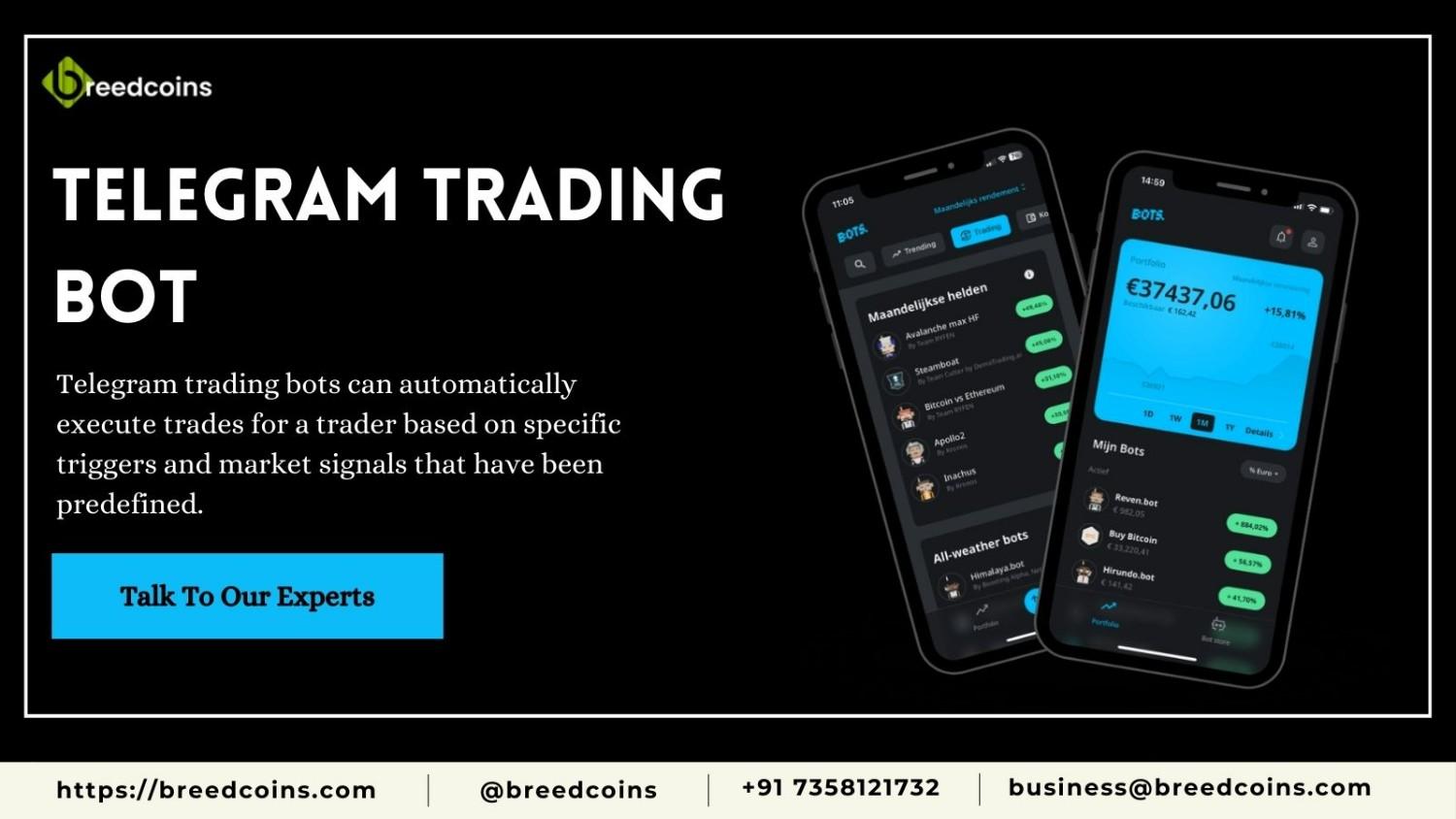
Once the test trade succeeds, review the bot's activity log. Ensure it is not executing phantom trades or rounding errors. Set up price alerts within the bot so you are notified of significant market moves.
Finally, confirm that your Telegram bot is private and not accessible to public groups. If you are using a public bot, ensure you are interacting with the correct instance and not a clone designed to steal keys.
After confirming the test trade, you are ready to scale up. Start with small position sizes to ensure the bot handles volume correctly. As you gain confidence, you can adjust parameters for larger trades.
Common questions about bot safety
When navigating the high-stakes world of automated trading, clarity on security is non-negotiable. Below, we address the most pressing questions regarding the functionality and safety of Telegram trading bots, drawing on official documentation and expert consensus.
Understanding these mechanics is the first line of defense. Always prioritize security over convenience, and never compromise on API key permissions.
No comments yet. Be the first to share your thoughts!