Why Telegram Bots Dominate Low-Cap Trading
In 2026, Telegram has evolved from a messaging app into the primary execution layer for meme coins and low-cap assets. For traders chasing high-volatility opportunities, the speed advantage of Telegram bots over traditional web user interfaces (UIs) is not just a convenience—it is a necessity. The latency inherent in clicking through a web dashboard often means the difference between a profitable entry and being left behind as the chart spikes.
The market structure for these assets favors automation. Low-cap tokens can experience double-digit percentage swings in seconds. A web UI requires multiple steps: connecting a wallet, selecting the token, approving the transaction, and confirming the swap. A Telegram bot condenses this into a single command. This streamlined interaction reduces the window for slippage and front-running, which are persistent risks in decentralized exchanges (DEXs) for illiquid pairs.
This dominance is reflected in the sheer volume of activity. According to industry reviews by Quicknode and CoinGecko, the top Telegram trading bots like Trojan, BONKbot, and Maestro consistently handle the highest lifetime trading volumes in the meme coin sector. These platforms have become the de facto standard because they offer the reliability and speed that manual trading cannot match in fast-moving markets.
Bot-first vs. wallet-first infrastructure
When building a Telegram trading bot, the architecture you choose dictates the user experience and the security perimeter. The two primary approaches are bot-first and wallet-first (standard wallet integration). Understanding the trade-offs is essential for managing high-stakes risk.
Bot-first architecture
In a bot-first model, users create and manage their wallets entirely within the Telegram interface. This approach prioritizes accessibility, allowing non-technical users to trade without leaving the chat app. Privy’s documentation highlights this as a streamlined path for onboarding, where the wallet is abstracted behind the bot’s commands.
Wallet-first architecture
Wallet-first integration connects an existing external wallet (like MetaMask or Phantom) to the bot. This method offers greater control and security for experienced users who manage keys outside of Telegram. However, it introduces friction during setup, as users must approve transactions through their external wallet interfaces.
Comparing the approaches
The choice between these architectures involves balancing ease of use against security and control. The table below outlines the key differences.
| Feature | Bot-First | Wallet-First |
|---|---|---|
| User Experience | Seamless, in-app | Requires external approval |
| Security Control | Managed by platform | User-held keys |
| Onboarding Speed | Fast, instant | Slower, multi-step |
| Best For | Beginners, high volume | Experienced, security-focused |
Execution tools and features
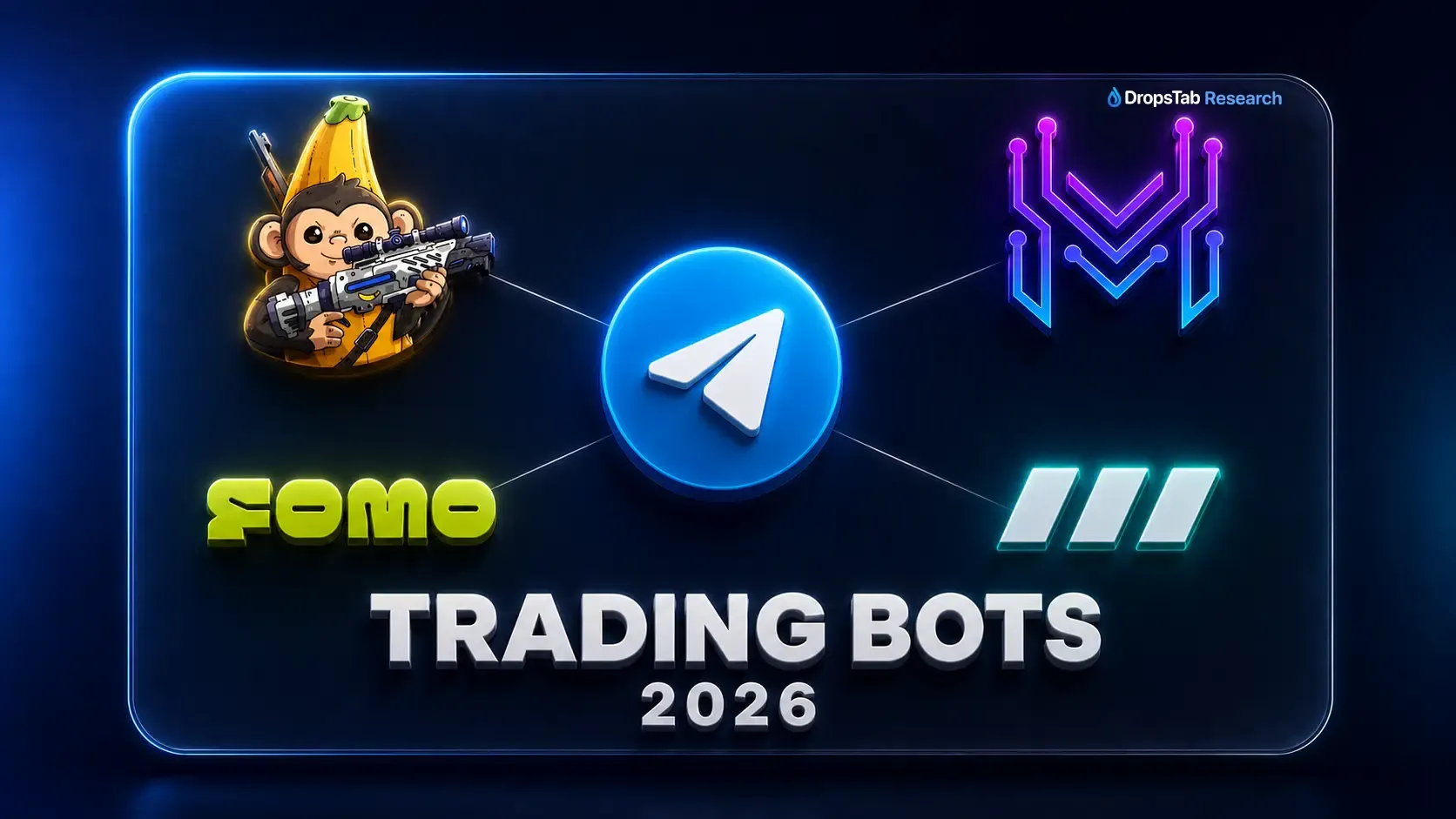
The 2026 Telegram trading bot market has consolidated around three primary execution engines: Trojan, BONKbot, and Maestro. These tools dominate lifetime trading volume on Solana, offering different approaches to the same high-stakes problem: getting in and out of volatile positions faster than manual clicking allows.
Trojan operates as a sophisticated trading terminal within Telegram. It is widely recognized for its robust anti-snipe protection and advanced transaction simulation. Users can set complex conditional orders, such as buying only if a specific liquidity threshold is met, which helps avoid rug pulls. Its interface is dense with data, catering to traders who need granular control over their entry and exit points.
BONKbot is often the default choice for new entrants due to its simplicity. It strips away the complexity of advanced order types in favor of speed. The bot is designed for one-click trading, making it ideal for sniping new token launches where milliseconds matter. While it lacks some of the advanced filtering of Trojan, its reliability and low latency make it a staple for high-frequency meme coin trading.
Maestro offers a hybrid approach, combining the speed of BONKbot with the advanced features of Trojan. It supports multi-chain trading and includes a "Copy Trade" feature that allows users to automatically mimic the trades of successful wallets. This feature is particularly useful for traders who want to leverage the strategies of others without manually analyzing every chart.
When selecting a bot, prioritize risk management features over flashy interfaces. Look for tools that allow you to set hard stop-losses and take-profit levels directly in the chat. In the high-stakes environment of 2026 crypto markets, the ability to automate your exit is often more valuable than the speed of your entry.
Security protocols and risk management
When you connect a Telegram trading bot to your wallet, you are essentially handing over the keys to your financial assets. The convenience of executing trades directly from a chat interface comes with a significant security trade-off. Unlike a dedicated exchange where custodial safeguards exist, decentralized bot trading places the burden of security entirely on you. One misstep—a flawed token approval or a compromised API key—can lead to total loss of funds.
The most critical rule in this space is simple: never leave large funds in a wallet connected to a bot. Treat your bot-connected wallet like a checking account, not a savings account. Transfer only the amount you are actively willing to trade or lose. If a bot is compromised or if you accidentally approve a malicious contract, the attacker can only drain what is currently sitting in that specific wallet. This isolation strategy is your primary defense against catastrophic loss.
Beyond wallet isolation, you must manage your API keys with extreme caution. If you are using a bot that requires exchange API keys, ensure those keys have "trade" permissions only. Never enable "withdrawal" permissions, as this would allow a compromised bot to move your funds off the exchange. Additionally, use dedicated wallets for testing. Before deploying capital, run your bot with small amounts on a testnet or with minimal funds to verify execution logic. This "start small" approach allows you to catch configuration errors without risking your main portfolio.
Finally, stay vigilant against phishing. Telegram is rife with fake bots that mimic popular services. Always verify the bot’s official handle through the developer’s website or verified social channels. Do not click on links sent in random DMs or group chats promising "exclusive" trading signals. The infrastructure of bot trading is powerful, but it requires a disciplined, paranoid approach to security to survive.
Build your own bot workflow
Building a custom Telegram trading bot gives you full control over execution logic and security, but it requires careful handling of API keys and wallet interactions. We will walk through the standard workflow for developers using official SDKs like Privy or Coinbase CDP.
Start by messaging @BotFather on Telegram to create a new bot and obtain your API token. This token authenticates your bot with the Telegram API, allowing it to receive updates and send messages to users. Keep this token secure; anyone with it can control your bot.
Choose a provider like Privy or Coinbase CDP to handle wallet creation and transaction signing. Privy’s Telegram bot recipe, for example, allows users to create and interact with their wallet directly within Telegram. This step abstracts the complexity of private key management while ensuring secure on-chain interactions.

Integrate your chosen crypto exchange’s API keys to enable trading. Most bots require read-only keys for market data and trade-only keys for executing orders. Never grant withdrawal permissions to a trading bot API key, as this exposes your funds to potential theft if the bot is compromised.
Before going live, run your bot in a testnet or sandbox environment. Verify that order execution, error handling, and risk management parameters work as expected. This step is critical for catching bugs that could lead to significant financial losses in a live market.
Once testing is complete, deploy your bot to a secure server. Set up logging and monitoring alerts for unusual activity or failed transactions. Regularly review performance metrics and adjust your strategy as market conditions change.
Building a bot from scratch is a high-stakes exercise in precision. Every line of code handling private keys or trade execution must be audited. If you are not comfortable managing these risks directly, consider using established platforms that offer similar functionality with built-in security layers.
Frequently asked questions about bots
How to use Telegram bot for trading?
Setting up a trading bot isn't just about connecting wires; it's about building a secure bridge between your exchange and Telegram. Start by creating a bot via @BotFather, then select a reputable crypto exchange. Integrate your API keys with read-only permissions where possible, and always test the setup with a small amount of capital before going live.
Can Telegram bots guarantee profit?
No trading bot can guarantee profit. Markets are volatile, and algorithms execute based on pre-set logic, not crystal balls. A bot is a tool for execution speed and discipline, not a magic money printer. Relying on bots without understanding the underlying strategy is a fast track to significant losses.
Are Telegram trading bots safe?
Security is the biggest hurdle. The risk lies in how you handle API keys. Never grant "withdrawal" permissions to a bot, and always use strong, unique passwords for your Telegram account. Stick to open-source or well-audited bot providers to minimize the risk of hidden backdoors or code vulnerabilities.
No comments yet. Be the first to share your thoughts!