Get Telegram Trading Bots Right
Telegram trading bots are powerful tools, but they are not plug-and-play magic. Before you deploy capital, you must establish a secure foundation. The difference between a profitable bot and a drained wallet often comes down to how well you handle prerequisites.
1. Secure Your Bot Identity
Start by creating a bot through @BotFather on Telegram. This is the only official way to register your bot. Save the API token immediately; it is the key to your bot’s identity. Never hardcode this token in your source code or commit it to public repositories like GitHub. Use environment variables or a secure vault to store it.
2. Define Your Execution Logic
A bot without clear rules is just a gamble. Decide which blockchain network your bot will operate on (e.g., Ethereum, Solana, Base) and which DEXs it will interact with. Most modern bots require you to connect a wallet with limited permissions. Use a burner wallet with only the necessary funds. Never give a bot permission to spend your entire portfolio or approve unlimited token allowances.
3. Test in a Sandbox
Before going live, test your bot on a testnet or with very small amounts. Check for latency issues, slippage tolerance, and failure handling. A bot that fails to cancel a transaction during a network congestion spike can result in significant losses. Review the Privy guide for best practices on setting up secure bot interactions.
4. Monitor and Audit
Once live, monitor your bot’s logs closely. Set up alerts for unusual activity or transaction failures. Regularly audit your bot’s code for vulnerabilities, especially if you are using open-source libraries. Remember, a Telegram trading bot is only as secure as its weakest link.
Work through the steps
The Telegram Trading Bots Infrastructure works best as a clear sequence: define the constraint, compare the realistic options, test the tradeoff, and choose the path with the fewest hidden costs. That order keeps the advice usable instead of decorative. After each step, pause long enough to check whether the recommendation still fits the reader's actual situation. If it depends on perfect timing, unusual access, or a best-case budget, include a simpler fallback.

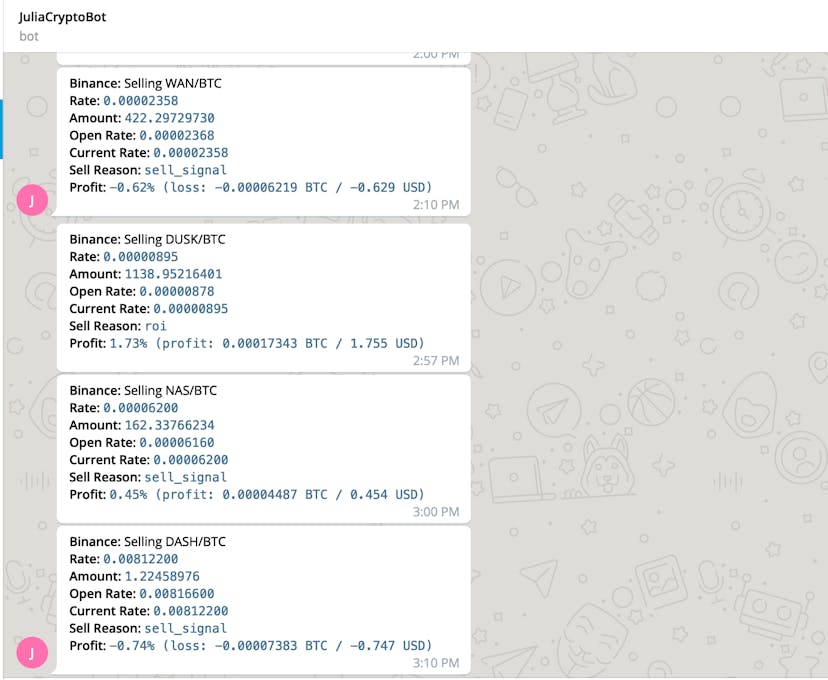
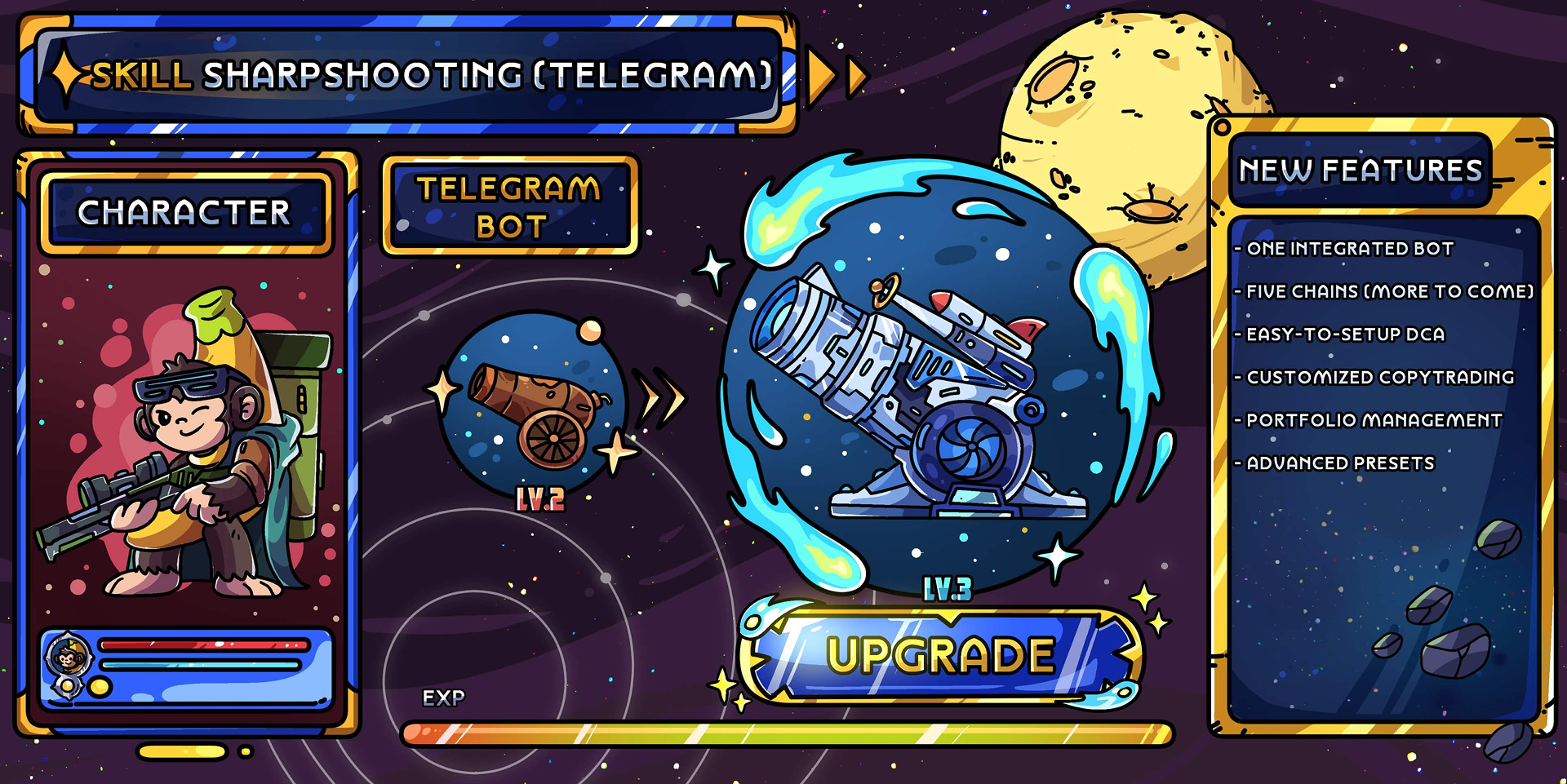
Common Mistakes in Telegram Trading Bot Setup
Telegram trading bots offer speed, but the infrastructure is unforgiving of sloppy configuration. A single misstep in permission scope, network routing, or security hygiene can result in drained wallets or failed transactions. The most effective bots rely on strict isolation and verified execution paths.
Overly Broad Permissions
Granting a bot full wallet access is the fastest way to compromise your assets. Many users mistake convenience for security, allowing the bot to sign any transaction without limits. This opens the door for malicious smart contracts to drain funds under the guise of routine operations.
Always use permission scopes that restrict the bot to specific token pairs or contracts. If your bot requires wallet signing, ensure it uses a session key or limited approval rather than unrestricted access. Check the bot’s documentation for "limited permission" or "read-only" modes that prevent unauthorized transfers.
Ignoring Network Latency and Slippage
Telegram bots execute trades via API calls, which introduce latency compared to direct on-chain interaction. If you do not account for this delay, your slippage tolerance will be exceeded, leading to failed trades or bad fills. This is especially critical in high-volatility environments where prices shift in seconds.
Set slippage tolerances based on your specific token’s liquidity and volatility, not a generic default. Use limit orders or MEV-protected execution paths when available to mitigate front-running and price impact. Regularly test your bot’s execution speed against the current network conditions.
Weak Security Hygiene
Sharing your bot’s API key or private key in public channels or unsecured logs is a common error. Telegram bots often store credentials in environment variables or config files; if these are exposed, attackers can hijack your sessions. Additionally, using unverified bot sources introduces the risk of backdoored code.
Store all sensitive credentials in secure, encrypted environment variables. Never share your bot token or private keys in chat logs or public repositories. Verify the source code of any open-source bot components and prefer bots with audited smart contracts or established reputations in the DeFi community.
Telegram trading bots: what to check next
Before committing capital to automated execution, address these practical concerns about reliability, selection, and platform economics.
No comments yet. Be the first to share your thoughts!