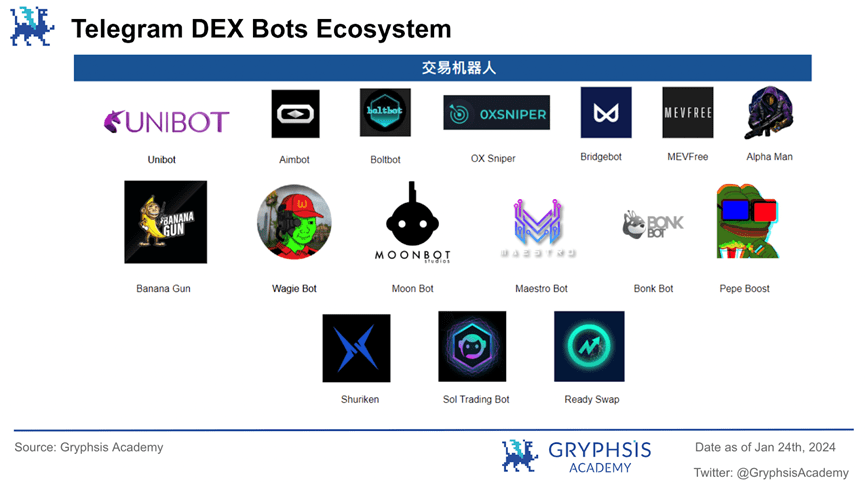
Telegram Trading Bots Analysis
The 2026 landscape for Telegram trading bots has shifted from simple signal forwarding to complex execution infrastructure. These bots act as middleware between messaging platforms and decentralized exchanges, allowing users to trade directly within chat windows. This convenience comes with significant tradeoffs in security and execution quality that require careful evaluation.
Execution Infrastructure
Modern bots connect to nodes via providers like Quicknode, routing orders through smart contracts on networks such as Solana or Ethereum. This architecture enables sub-second trade execution but introduces dependency on external node reliability. A failure in the node connection can result in missed entries or failed transactions, especially during high volatility periods.
Risk Assessment
The primary risk lies in private key management. Many bots require users to deposit funds or grant API permissions to execute trades. This creates a single point of failure; if the bot developer’s infrastructure is compromised, user funds are at risk. Open-source options allow for code audits, but closed-source bots rely entirely on the developer’s reputation and security practices.
Evaluation Criteria
When analyzing specific bots, focus on three metrics: latency, security model, and supported chains. Latency determines slippage tolerance during fast-moving markets. The security model defines who holds the keys and how trades are signed. Supported chains dictate which decentralized exchanges the bot can interact with. Avoid bots that promise guaranteed profits or lack transparent code repositories.
Evaluating telegram trading bot choices that change the plan
Choosing a Telegram trading bot requires balancing speed, security, and cost. These tools execute trades directly from chat interfaces, which eliminates the latency of switching between wallets and decentralized exchanges. However, this convenience introduces specific infrastructure risks that can drain funds if misconfigured.
When comparing options, focus on three concrete factors: the execution engine, fee structure, and security model. A bot that routes trades through a centralized relayer may offer faster fills but creates a single point of failure. Conversely, bot-native execution on-chain offers more transparency but often incurs higher gas costs during network congestion.
The table below breaks down the primary tradeoffs across leading infrastructure types. Use this to align your choice with your trading frequency and risk tolerance.
| Evaluation Factor | Execution Speed | Cost Structure | Security Model |
|---|---|---|---|
| Bot-Native Execution | High (private mempool) | Higher per-trade fees | Smart contract controlled |
| Centralized Relayer | Medium (API dependent) | Lower fees, subscription models | Third-party custody risk |
| Open Source Self-Hosted | Variable (network dependent) | Gas only, free software | User controls private keys |
| Portfolio Tracking Only | No execution | Free or subscription | Read-only access |
Market Context
Trading volume and volatility directly impact bot performance. During high-volatility periods, slippage settings become critical to prevent failed transactions or unfavorable fills. The chart below shows recent price action for a major asset, illustrating the kind of volatility where automated trading strategies are most frequently deployed.
Live Price Reference
For real-time pricing data, use a provider-backed widget. This ensures you are viewing current market conditions rather than stale data.
Choose the right Telegram trading bot for your strategy
Selecting a Telegram trading bot requires matching the tool to your specific execution needs. The market splits bots into two distinct categories: passive signal aggregators and active execution engines. Passive bots monitor channels for alerts and portfolio updates, while active bots connect directly to exchange APIs to execute trades on your behalf.
If you rely on technical analysis or news-driven signals, a passive bot like those reviewed by Quicknode can summarize data without risking capital through automated orders. However, if you need speed for memecoin sniping or arbitrage, you require an active bot with direct API integration. The choice determines your risk exposure and potential for slippage.
1. Define your execution priority
Start by determining whether you need manual control or full automation. Active bots execute trades instantly based on predefined triggers, which is essential for high-volatility markets. Passive bots simply relay information, allowing you to execute trades manually. Choose active bots for speed; choose passive bots for safety and research.
2. Verify API security and permissions
Security is the primary concern for any Telegram trading bot. These tools require API keys from your exchange, often with trade permissions enabled. Always use read-only keys for passive bots. For active bots, generate new API keys with only the necessary permissions, never master keys. Review the bot’s open-source code on GitHub or its official documentation to ensure it does not store keys insecurely.
3. Test with small capital
Before committing significant funds, run a live test with a small amount. This validates latency, slippage, and fill accuracy. Monitor how the bot handles network delays and exchange rate limits. If the bot fails to execute correctly during a test, discontinue use immediately to prevent larger losses.
4. Compare fee structures and limits
Evaluate the bot’s fee model. Some bots charge a monthly subscription, while others take a percentage of profits or charge per trade. Additionally, check for exchange withdrawal or trading limits imposed by the bot. Ensure the fees do not erode profits from high-frequency or low-margin strategies.
5. Check community and support
Reliability depends on active development and community support. Look for bots with recent updates on GitHub or a dedicated support channel. A large, active user base often indicates fewer hidden bugs and faster response times for issues. Avoid bots with no public code repository or transparent team information.
Watchouts: Misleading Claims and Weak Options
The Telegram trading bot landscape is crowded with projects that overpromise on speed and safety. Many bots advertise "sniper" capabilities that fail during high volatility, leading to failed transactions or significant slippage. Before integrating any tool, verify the execution logic against the primary blockchain explorer rather than trusting the bot's internal status messages.
Common Execution Mistakes
Slippage tolerance is the most frequent cause of loss. Setting a static percentage often results in buying at inflated prices during pumps or selling during dips. Configure dynamic slippage based on the specific token's volatility profile rather than using default settings. Additionally, ensure the bot supports custom RPC nodes to avoid rate limits that can delay order execution.
Evaluating Bot Reliability
Not all bots are built for serious trading. Some are passive portfolio trackers or simple alert systems disguised as execution engines. Check the source code or documentation to confirm the bot can directly interact with decentralized exchanges via wallet signatures. If the bot requires you to send private keys to a central server, it is a security risk and should be avoided.
Security and Privacy Risks
The most critical risk is wallet compromise. Legitimate bots connect via wallet signatures or limited API keys with withdrawal restrictions. Any bot asking for full access to your private keys or seed phrase is malicious. Always use a dedicated burner wallet for trading activities to isolate your main holdings from potential exploits or bugs in the bot's code.
Telegram trading bots analysis: what to check next
Are Telegram trading bots safe to use?
Telegram trading bots introduce significant smart contract risk. When you connect a wallet to a bot, you are often granting an API key with unlimited transfer allowance. This means if the bot’s backend is compromised, or if the smart contract it interacts with contains a vulnerability, your funds can be drained instantly. The convenience of speed comes at the cost of custody. Always use dedicated wallets with only the capital you are willing to lose, and never connect your primary holdings or long-term storage addresses to these services.
How do Telegram bots execute trades faster than manual trading?
These bots bypass the standard user interface of decentralized exchanges (DEXs). Instead of waiting for a browser extension like MetaMask to process a transaction through a public mempool, bots connect directly to nodes or use private RPC endpoints. They submit transactions with higher gas fees to prioritize inclusion in the next block. This direct infrastructure access allows them to execute trades in milliseconds, which is critical for strategies like sniping new token launches or trading highly volatile assets where price slippage can erase profits.
What are the hidden fees associated with these bots?
Beyond standard network gas fees, most Telegram trading bots operate on a subscription model or take a percentage of your trading volume. Premium features like anti-rug protection, limit orders, or faster execution speeds often require a monthly fee or a one-time payment in cryptocurrency. Additionally, some bots embed a small trading fee into their swap contracts. Before committing capital, review the bot’s official documentation to understand the total cost of ownership, as these fees can significantly impact high-frequency trading strategies over time.
Can I customize trading parameters like slippage and gas limits?
Yes, most advanced Telegram trading bots allow granular control over transaction parameters. You can set maximum slippage tolerance to prevent trades from executing at unfavorable prices during high volatility. You can also adjust gas limits and priority fees to ensure your transactions are processed quickly or cost-effectively depending on network congestion. These settings are typically configured via command menus within the Telegram interface, allowing you to tailor the bot’s behavior to specific market conditions or token contract requirements.
No comments yet. Be the first to share your thoughts!