Define your execution strategy
Before writing a single line of code or connecting to a node, you must decide what your infrastructure is actually trying to achieve. The difference between a high-frequency sniping bot and a swing trading assistant is not just in the code; it is in the latency, the RPC endpoint configuration, and the risk management layer. If you build a sniper bot on a standard, public RPC node, you will lose. The network delay alone is enough to miss the block you are targeting.
High-frequency sniping
Sniping requires sub-second reaction times. Your infrastructure needs a dedicated, high-throughput RPC endpoint with low latency, often hosted on servers physically close to the validator nodes. You cannot rely on free or shared public nodes because they throttle requests and introduce unpredictable delays. In this scenario, every millisecond counts, and your bot must be able to listen to the mempool and broadcast transactions faster than the competition.
Swing and trend following
If your strategy is based on larger timeframes or trend analysis, latency is far less critical. You can use standard RPC providers without sacrificing performance. The focus here shifts from speed to stability and data accuracy. Your infrastructure needs to handle larger data queries and maintain a reliable connection over longer periods, rather than executing hundreds of transactions per second.
Risk and security implications
Your strategy dictates your security posture. A sniping bot often requires elevated permissions to interact with liquidity pools directly, increasing the attack surface. You must carefully manage API keys and private keys, using hardware wallets or secure enclaves where possible. For swing bots, the risk is more about data integrity and preventing erroneous orders due to logic flaws. Define your strategy first, then build the security layer to match the specific threats your execution style faces.
Select a secure wallet and RPC provider
Telegram Trading Bots works best as a clear sequence: define the constraint, compare the realistic options, test the tradeoff, and choose the path with the fewest hidden costs. That order keeps the advice usable instead of decorative. After each step, pause long enough to check whether the recommendation still fits the reader's actual situation. If it depends on perfect timing, unusual access, or a best-case budget, include a simpler fallback.


Configure bot permissions and limits
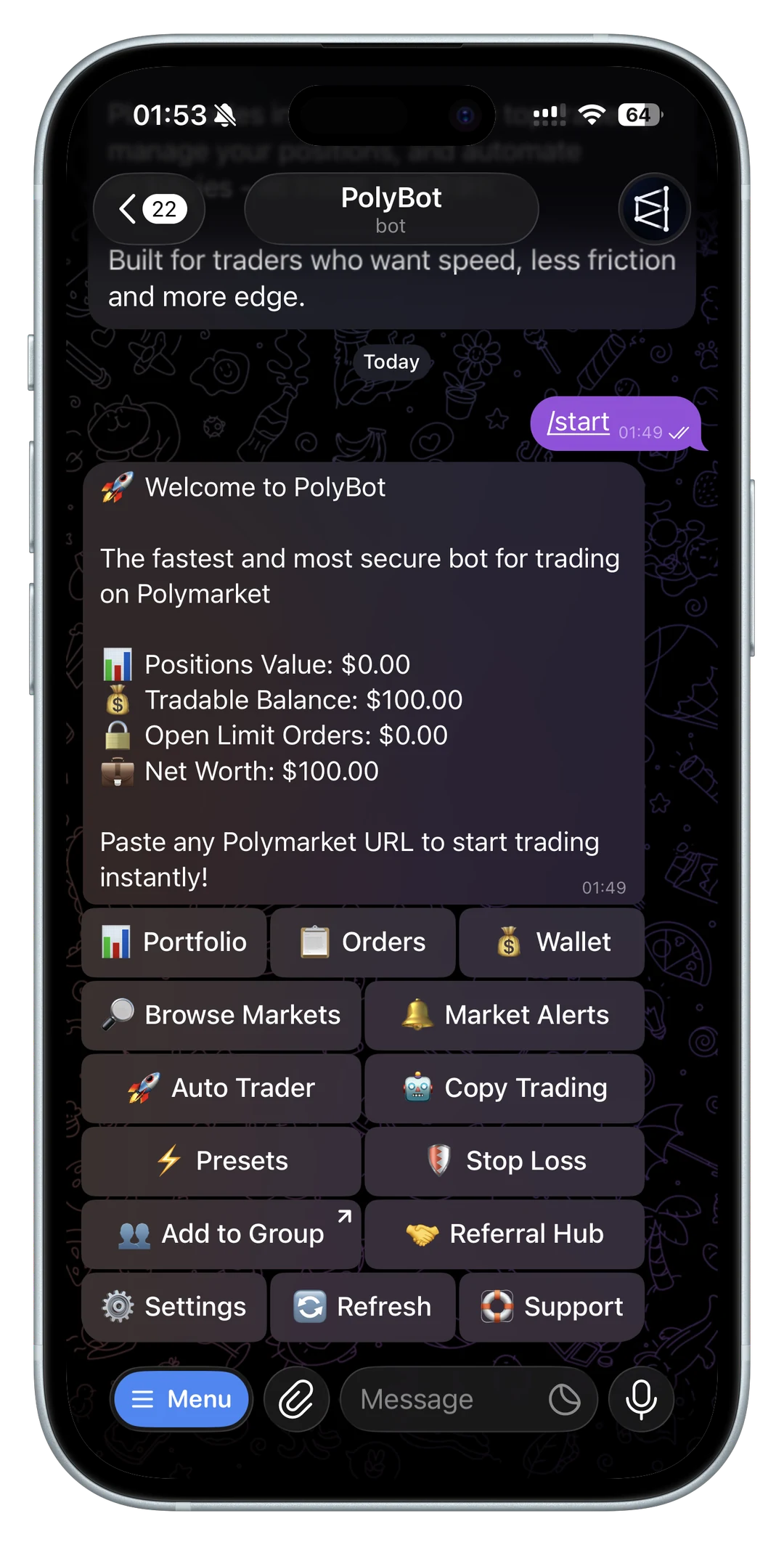
Your bot’s security posture is only as strong as its least restrictive permission. In the high-stakes environment of automated trading, a single misconfigured API key or an unchecked permission scope can expose your infrastructure to slippage manipulation or unauthorized fund transfers. We are moving beyond simple connectivity to hardening the bot’s operational boundaries.
The core principle here is least privilege. Every permission you grant is a potential attack vector. We will configure these limits in a specific sequence to ensure that the bot can execute trades without having the ability to drain or move funds outside of your predefined strategy.
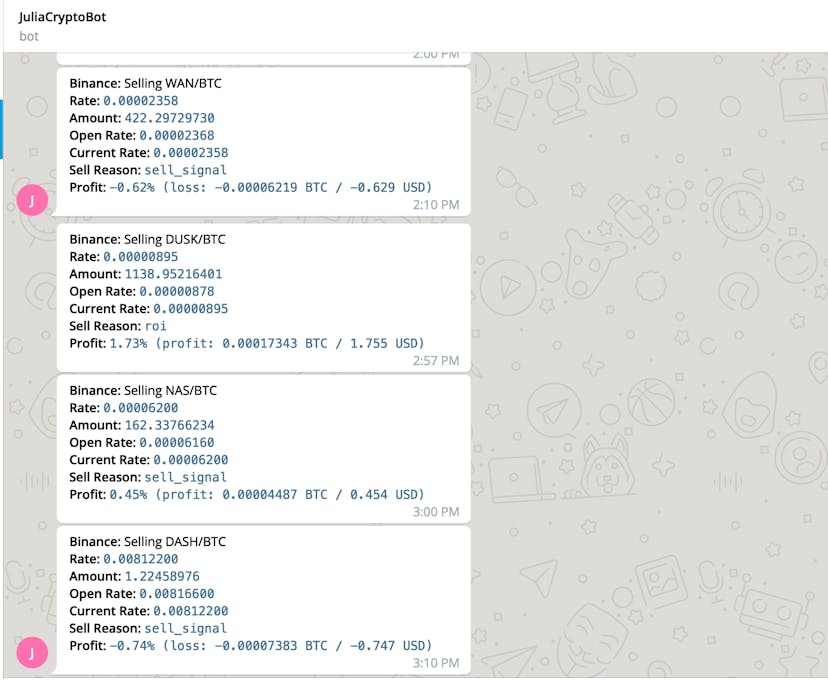
Generate a new API key specifically for this bot instance. Do not reuse master keys. When creating the key, disable all permissions except for "Spot Trading" and "Read" (balance/history). Disable "Withdraw" and "Transfer" permissions entirely. This ensures that even if the bot’s internal logic is compromised, the attacker cannot move funds out of the exchange.
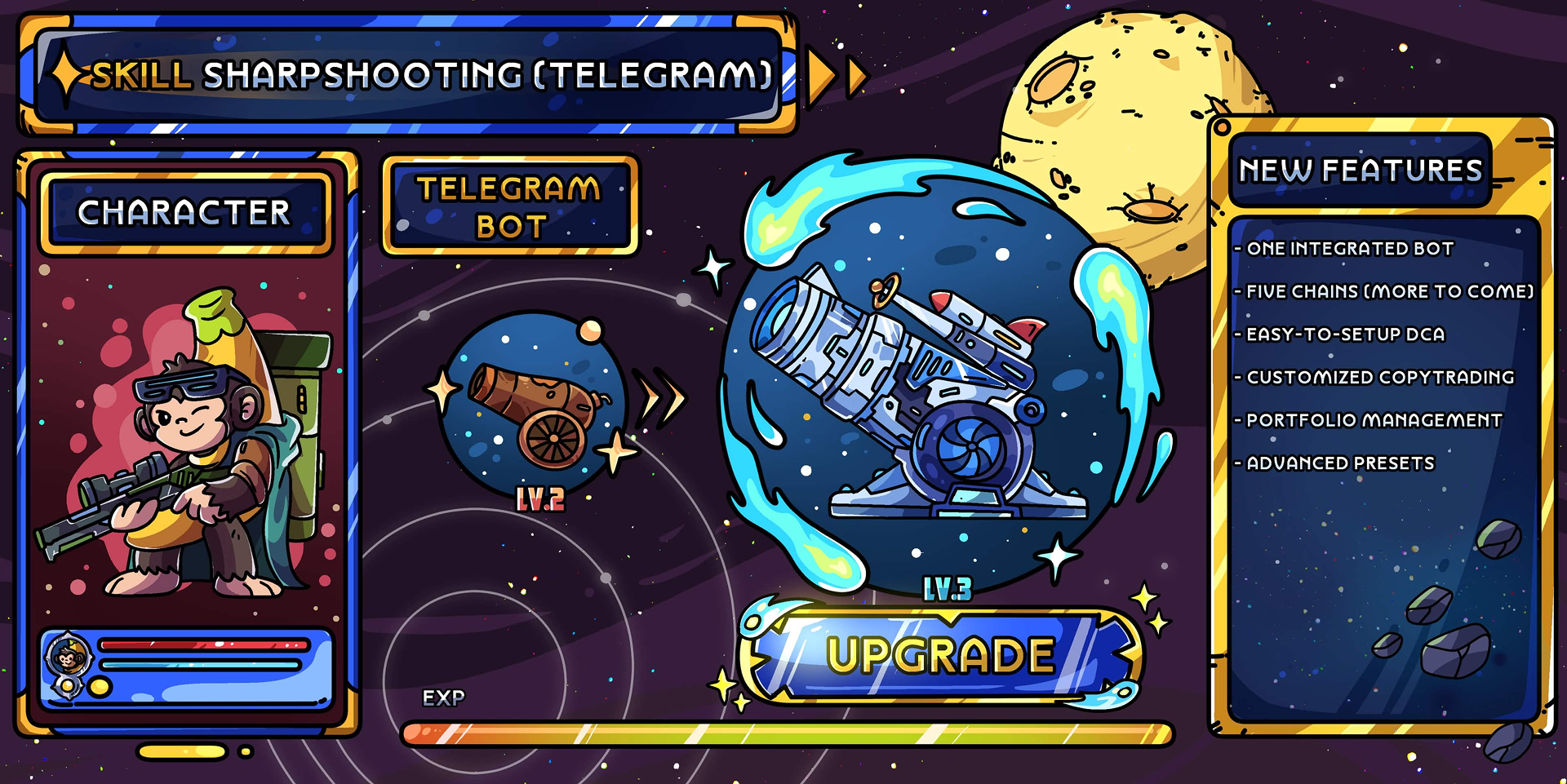
Most major exchanges allow you to whitelist IP addresses for API access. Configure your bot’s hosting server’s static IP address in the exchange’s security settings. If your bot is hosted on a dynamic IP or a server that changes IPs frequently, use a VPS with a static IP. This prevents unauthorized API calls from being processed even if the API key is leaked.
Implement hard limits within the bot’s configuration file for maximum slippage. Set a maximum slippage tolerance (e.g., 0.5% to 1%) to prevent front-running or manipulation during high volatility. Additionally, set a "max order size" limit per transaction. This caps the potential loss from a single erroneous signal or a "fat finger" command sent via Telegram.

Secure the Telegram account that interacts with the bot. Enable Two-Factor Authentication (2FA) on the Telegram account itself. This prevents an attacker from taking over the Telegram account and sending malicious commands to the bot. Without 2FA, a compromised phone number or password could allow an attacker to issue "sell all" commands.

Before deploying real capital, run the bot in "paper trading" or "dry-run" mode if supported. If dry-run is not available, start with a minimal amount of capital (e.g., $10-$50) to verify that permissions, slippage limits, and trade execution work as intended. Monitor the bot for 24-48 hours to ensure no unexpected behaviors or permission errors occur.
By strictly limiting permissions and enforcing technical barriers, you reduce the attack surface significantly. This configuration ensures that your infrastructure remains resilient against common automated trading risks.
Verify Execution with Small Transactions
Before committing significant capital, treat your Telegram trading bot infrastructure like a test flight. You wouldn't launch a rocket without checking the telemetry, and you shouldn't deploy a trading algorithm without verifying its execution logic under live market conditions. This phase is about stress-testing the connection between your Telegram interface and the exchange, ensuring that latency, slippage, and order routing behave exactly as your infrastructure design predicts.
Start with the smallest possible order size your exchange allows. If you are trading Solana, this might mean a fraction of a SOL; if you are on Bitcoin, perhaps a few dollars worth. The goal is not profit, but confirmation. Send a buy command from Telegram and watch the order book. Did it hit the bid instantly? Did the fill price match your expectation, or did network congestion cause unexpected slippage? Do the same for a sell order. This bidirectional test reveals whether your API keys, rate limits, and WebSocket connections are stable.
Pay close attention to edge cases. What happens if you send a cancel command while the market is moving fast? Does the bot acknowledge the cancellation immediately, or is there a lag that leaves you exposed? These micro-interactions define the reliability of your low-latency setup. If the bot fails to execute a simple trade or responds with an error, do not scale up. Instead, log the discrepancy, review your code or configuration, and repeat the test. Only when the infrastructure handles small, high-frequency commands without error should you consider increasing the position size.
Monitor and audit bot activity
Once your Telegram trading bot is live, your job shifts from builder to operator. Automated execution removes the need for constant screen staring, but it does not remove the need for oversight. A bot running on autopilot can still make costly mistakes if the underlying infrastructure drifts or if market conditions change faster than your parameters allow.
Treat your bot like a high-frequency trading desk employee who never sleeps. You need to review its logs daily to catch anomalies before they become bankruptcies. Look for patterns of repeated failures, unexpected slippage, or execution delays that suggest your API latency is no longer competitive.
Review execution logs
Start by checking the transaction history in your bot’s dashboard or log file. Verify that the executed trades match your intended strategy. Are limit orders being filled at the right price? Are stop-losses triggering when they should? If you see a pattern of "partial fills" or "rejections," your liquidity parameters might be too aggressive for current market depth.
Check for fund leaks
The most critical audit is financial. Ensure that the bot is not holding excess idle funds in its trading wallet. Ideally, the bot should only hold the exact amount of base and quote currency needed for its active positions. Any leftover balance should be swept back to your main cold storage or exchange wallet regularly.
Also, verify that no unauthorized withdrawals are occurring. While the bot itself shouldn't have withdrawal permissions, check that your API keys are restricted to trading-only functions. If you see any outgoing transfer logs, revoke your API keys immediately and rotate them.
Adjust parameters
Market volatility changes daily. A strategy that worked yesterday might fail today if the spread widens. Use your audit findings to tweak your settings. If the bot is over-trading, increase the minimum volume threshold. If it’s missing opportunities, consider widening your entry bands. Small, incremental adjustments are safer than large, reactive changes.
Frequently asked: what to check next
Do Telegram trading bots actually work?
They work, but they are infrastructure tools, not magic money printers. A Telegram trading bot is essentially a script that listens to the Telegram API and executes trades on a connected exchange via API keys. The latency benefit comes from the bot’s proximity to the signal source, not from any inherent market advantage.
The viability depends entirely on your setup. If you are running a bot on a slow VPS with poor network routing, you will miss the first few seconds of a memecoin pump. If you use a low-latency infrastructure with direct node connections, the bot can execute trades in milliseconds. The tool works; the results depend on your technical execution and risk management.
What is the best trading bot on Telegram?
There is no single "best" bot because the right choice depends on your specific trading strategy and technical comfort level. Popular options include Trojan, BonkBot, and Maestro, each offering different balances of speed, security, and feature sets.
When evaluating bots, look for open-source code or audited smart contracts. Many Telegram bots require you to deposit funds into an internal wallet, which introduces counterparty risk. The safest approach is to use bots that connect directly to your exchange API keys with restricted permissions (trade-only, no withdrawal). Always prioritize bots that allow you to retain custody of your assets in your own wallet.
Can I make $100 a day from crypto trading bots?
Yes, it is possible, but it is not a sustainable baseline for most users. Earnings depend on capital size, market volatility, and your ability to manage slippage and gas fees. A $100 daily profit requires significant capital or high-risk leverage, both of which increase the likelihood of total loss.
Most retail traders lose money because they chase high-yield strategies without understanding the infrastructure risks. Focus on consistent, small gains with strict stop-losses rather than aiming for large daily targets. Treat your bot as a risk management tool, not an income source. If you cannot afford to lose the capital deployed in the bot, you are over-leveraged.
What are the top 5 bots in Telegram?
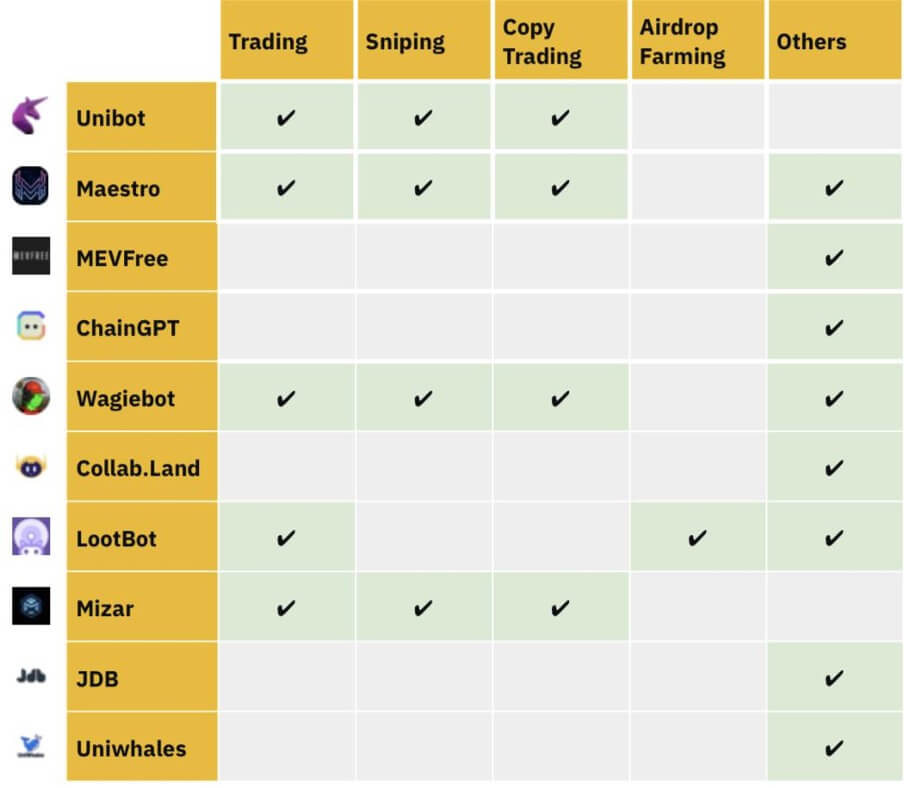
The "top" bots change frequently as security vulnerabilities are discovered and new features are added. However, the most widely used bots in the current landscape include:
- Trojan: Known for its speed and user-friendly interface, often used for memecoin trading.
- BonkBot: One of the earliest and most established bots, with a large user base.
- Maestro: Offers advanced features like copy-trading and multi-chain support.
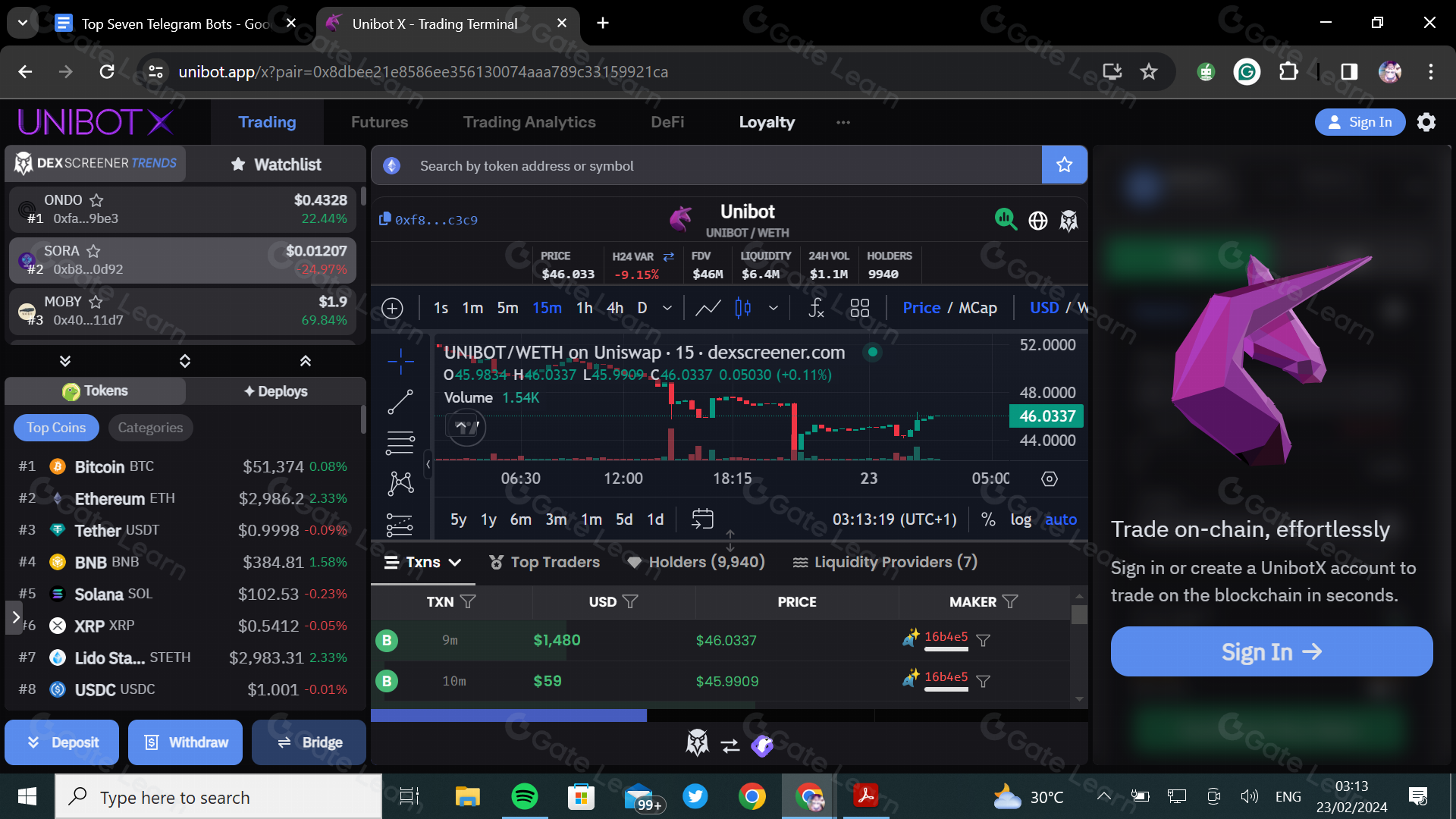
- Unibot: Popular for its ease of use and integration with multiple exchanges.
- Pig Snipe: Gained traction for its sniping capabilities on new token launches.
Always verify the official Telegram handle of any bot. Scammers create fake accounts that look identical to legitimate bots. Never trust a bot that asks for your private key or seed phrase.
Helpful gear
Use these product recommendations as a starting point, then choose the size, material, and price point that fit how you actually use the gear.

- Built for frequent use
- Useful beyond one recipe

As an Amazon Associate, we may earn from qualifying purchases.
No comments yet. Be the first to share your thoughts!