Get telegram trading bots infrastructure right
Before connecting any bot to a live wallet, you must establish a secure and isolated infrastructure. Telegram trading bots execute trades automatically, meaning a configuration error or a compromised key can lead to immediate and irreversible losses. Treat your bot not as a simple chat tool, but as a digital asset manager with full access to your funds.
Start by creating a dedicated, high-entropy wallet with a limited balance. Never use your primary cold storage or a wallet holding your life savings. Fund this "hot wallet" only with the amount you are prepared to lose entirely. This isolation ensures that even if a bot is hacked or misconfigured, your core assets remain untouched.
Next, select a reputable bot provider that supports API key restrictions. Most professional bots allow you to generate API keys with "trade-only" permissions, disabling withdrawals. If a provider requires full withdrawal access, abandon it immediately. Combine this with a dedicated Telegram account for bot interactions, separate from your personal communication channel, to reduce phishing risks.
Finally, test every configuration on a testnet or with a micro-amount before going live. Verify that the bot correctly reads market data and executes orders as expected. This step confirms your infrastructure works and helps you understand the bot’s latency and behavior under real conditions.
Set up your Telegram trading bot infrastructure
Building a functional Telegram trading bot requires connecting a secure wallet, configuring execution parameters, and verifying that trades land exactly where you intend. This workflow covers the essential steps to get a bot live and safe for mainnet operations.

Start by generating a dedicated wallet address for bot activity. Never use your primary savings wallet. Enable only the permissions the bot strictly needs: read balance and send transactions. If the bot requires API keys for exchange access, store them in environment variables, not in the bot’s code or chat history.
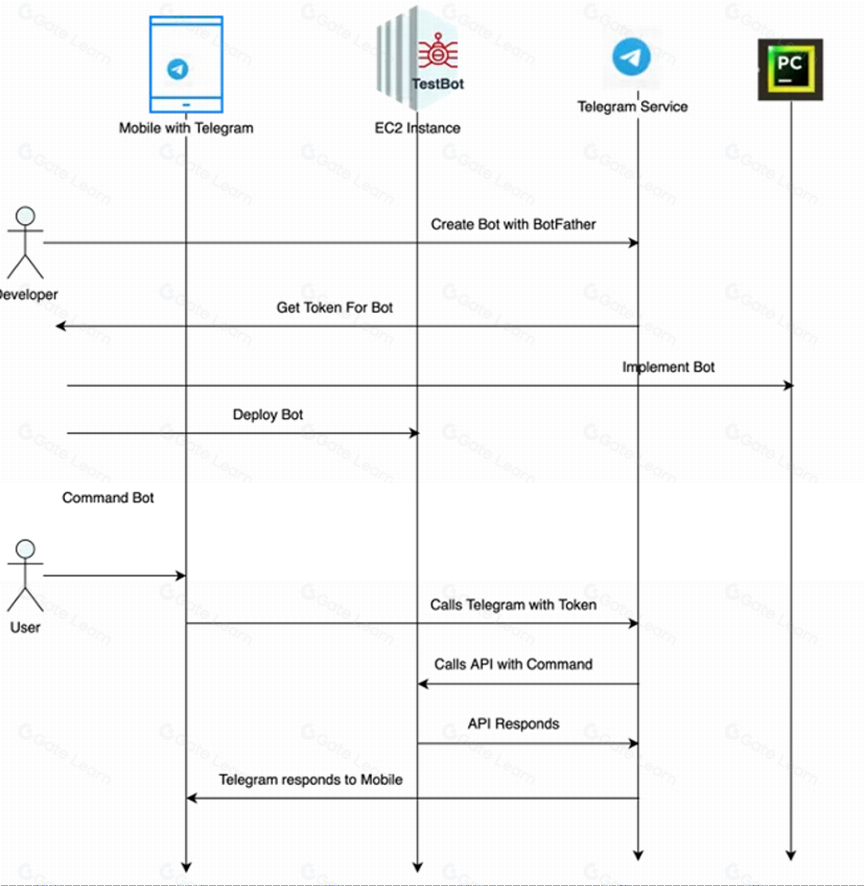
Set hard limits for trade size, slippage tolerance, and gas fees. Define a maximum transaction value per day to prevent runaway orders during volatility spikes. Configure priority fee settings to ensure transactions confirm within your desired time window without overpaying during network congestion.
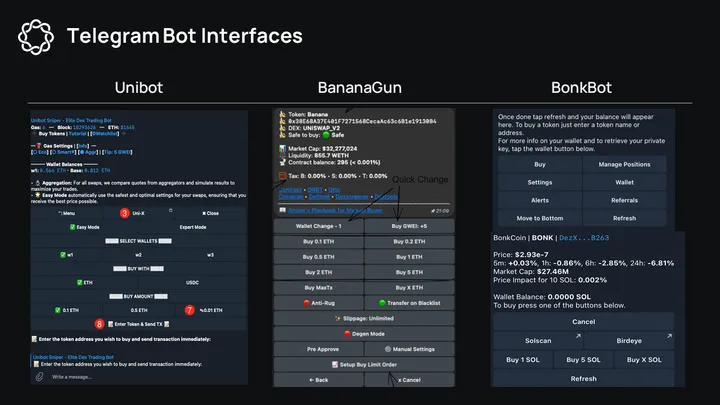
Link your wallet to the bot’s backend. Use a reliable RPC endpoint provider to avoid rate limits. Test the connection by sending a small, test transaction (sandwich attack or simple transfer) to confirm the bot can broadcast and that the network confirms it. Verify the transaction hash appears in the block explorer.
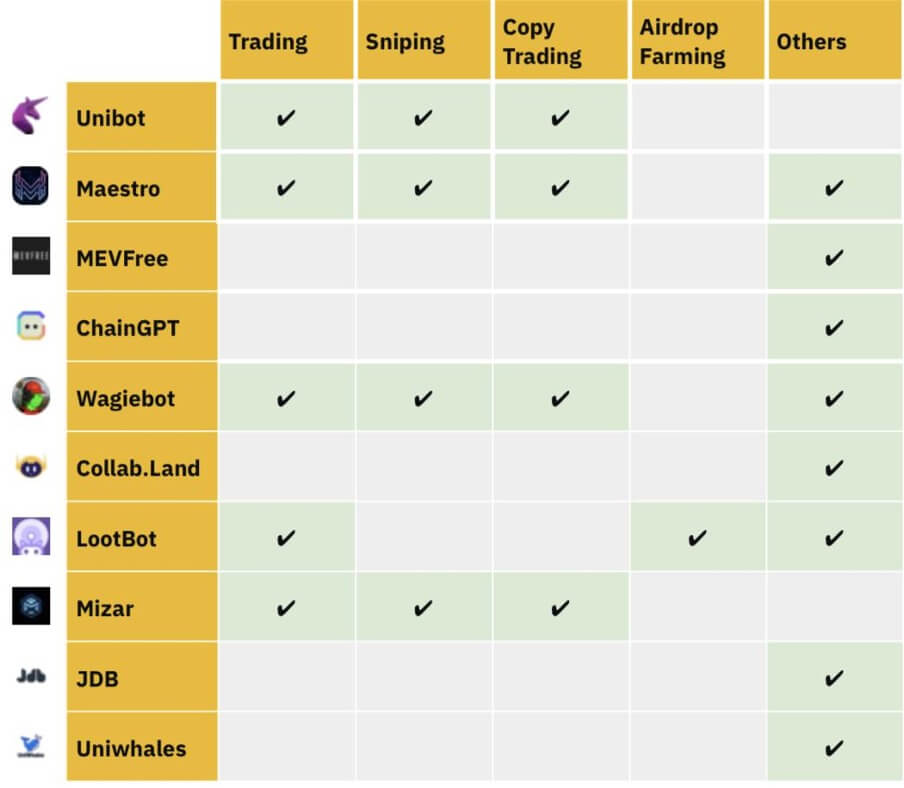
Before risking real funds, simulate trades using a testnet or a paper-trading mode if available. This step validates that your slippage settings, gas limits, and token approvals are configured correctly. Check that the bot’s response messages match your expectations and that no unintended orders are triggered by false positives.

Begin with minimal trade sizes to verify live execution. Monitor the bot’s behavior during actual market movement. Check for latency issues, failed transactions, or incorrect token swaps. Once you confirm the bot executes trades accurately and securely, you can gradually increase the trade size to your target levels.
-
Dedicated wallet generated with minimal permissions
-
Daily trade limits and slippage settings configured
-
RPC endpoint verified for stability
-
Dry-run simulation completed successfully
-
Small test trade executed and confirmed



As an Amazon Associate, we may earn from qualifying purchases.
Common Mistakes in Telegram Trading Bot Setup
Even with the best infrastructure, small configuration errors can lead to significant financial loss. The following sections outline the most frequent pitfalls traders encounter when setting up Telegram trading bots, particularly for high-frequency tasks like sniping or automated arbitrage.
Ignoring Slippage Tolerance
Slippage tolerance defines the maximum price difference between the expected trade price and the executed price. Setting this too low causes transactions to fail during high volatility, while setting it too high exposes you to front-running and unfavorable fills. For stablecoin swaps, a tolerance of 0.1% to 0.5% is usually sufficient. For volatile meme coins or low-liquidity assets, you may need 1% to 3% to ensure execution, but this increases the risk of buying at a peak. Always adjust this setting based on the specific token’s liquidity depth.
Overlooking Private Key Security
Many users grant bots access to their private keys or seed phrases to enable automated trading. This is a critical security error. If a bot is compromised or malicious, the attacker gains full control over your funds. Instead, use hardware wallets or multi-signature setups where possible. If you must use a bot with key access, utilize burner wallets with only the necessary funds. Never store your primary holdings or long-term assets in a wallet connected to a Telegram bot. Regularly rotate keys and revoke permissions for bots you no longer use.
Neglecting Gas Fee Estimation
On networks like Solana or Ethereum, failing to account for dynamic gas fees can result in failed transactions or excessive costs. Bots that do not automatically adjust gas tips may miss blocks during congestion or overpay during quiet periods. Configure your bot to use priority fee calculators or dynamic gas estimation tools. For Ethereum-based bots, ensure you are using the latest EIP-1559 fee structure to avoid transaction failures due to outdated max fee settings. Monitoring network congestion levels before executing large trades can also prevent unnecessary spending.
FAQ: Telegram Trading Bot Infrastructure
Do Telegram trading bots actually work?
Yes. These bots execute swaps on decentralized exchanges directly within the chat interface. Users paste a token contract address or use a command to trigger a trade, bypassing traditional exchange order books. While execution is fast, profits depend entirely on your strategy and market timing, not the software itself.
What is the best trading bot on Telegram?
No single bot dominates all use cases. Tools like BonkBot and Trojan focus on speed for meme coin sniping on Solana, while others like Maestro offer broader multi-chain support and advanced features like limit orders. The best choice depends on your primary blockchain and whether you prioritize execution speed or analytical tools.
How to build a Telegram trading bot?
Building a custom bot requires programming knowledge. You integrate the Telegram Bot API for user interaction and connect to blockchain nodes or RPC providers to execute transactions. Developers often use frameworks like Node.js or Python to handle logic, ensuring secure key management and proper error handling for failed transactions.
What are the top 5 bots in Telegram?
Market leaders shift frequently based on chain activity and fees. Current top contenders often include BonkBot, Trojan, Maestro, Unibot, and Banana Gun. These platforms are cited for liquidity, ease of use, and feature sets like anti-rug protection. Always verify current fees and supported chains before depositing funds.
No comments yet. Be the first to share your thoughts!